

Tah-Kee-Os-Tee
Directed by Jarika Johnson- Documentary Shorts
- United States
- Documentary, Historic
- English
- Subtitled
- 22 mins
 tweet
tweet share
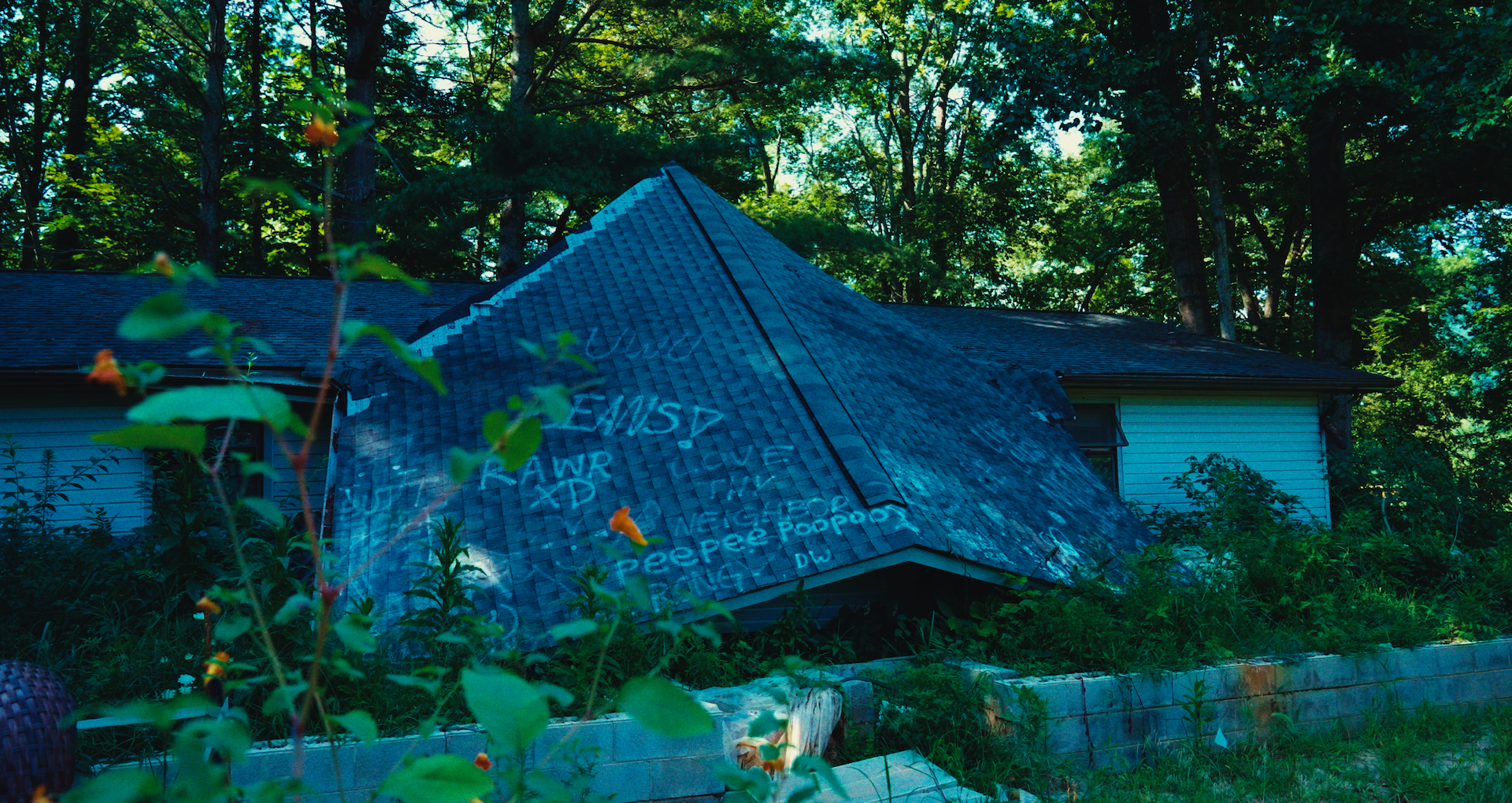
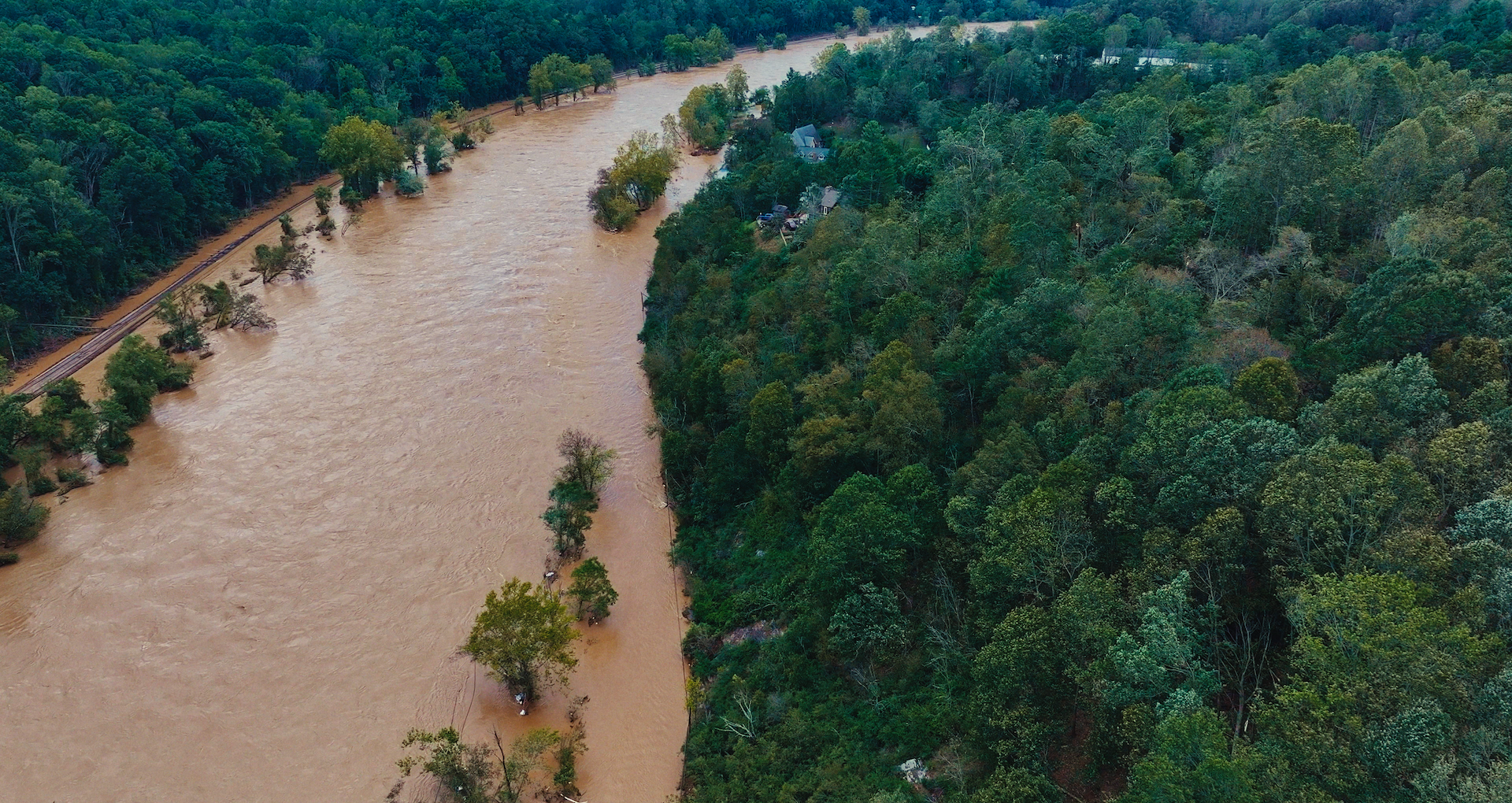
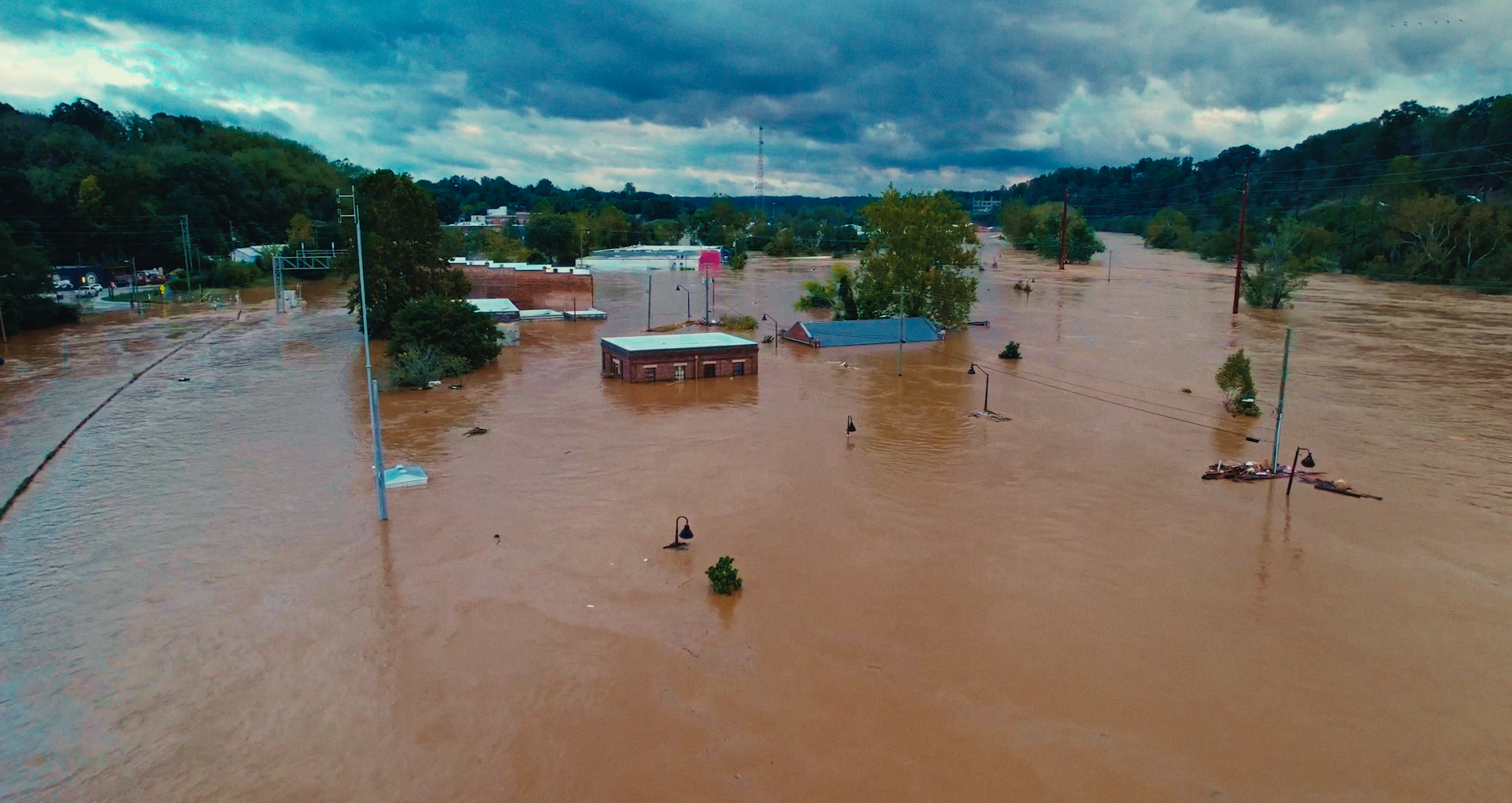
shareThis documentary delves into the profound and multifaceted effects of Hurricane Helene on Western North Carolina, exploring the storm’s immediate aftermath and long-term consequences on the region’s communities, environment, and economy.
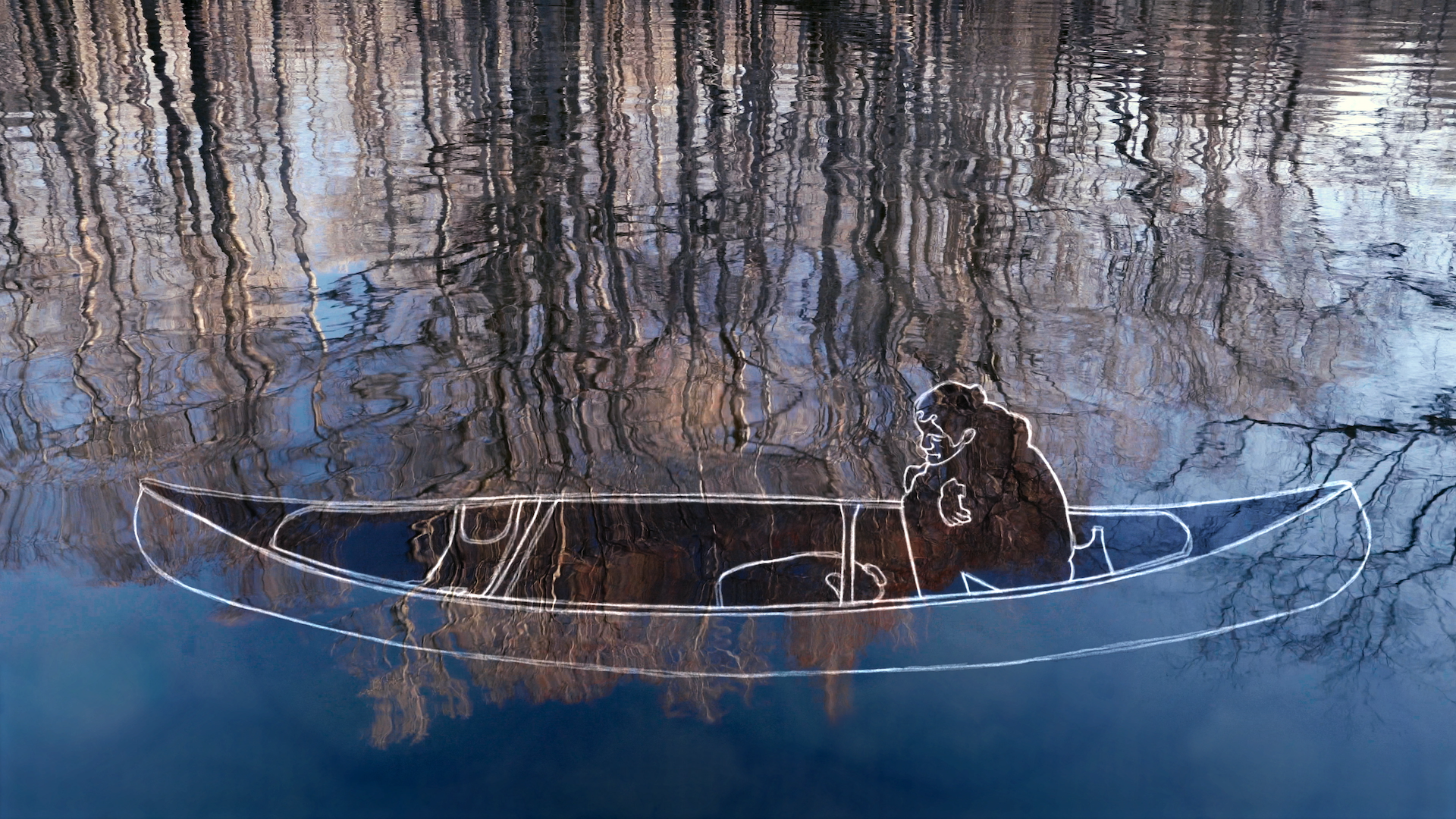
The film begins by recounting the ferocity of Hurricane Helene as it made landfall. The characters the film follows are residents, business owners, and artists who were directly impacted by the result of this hurricane. The film shares their first hand accounts of the day along with scientists explaining why the devastation was so catastrophic and unique to the area. Interwoven with these stories are narratives of resilience and recovery. The documentary showcases the community’s efforts and conflict to rebuild through grassroots initiatives, government aid, and innovative disaster preparedness programs.
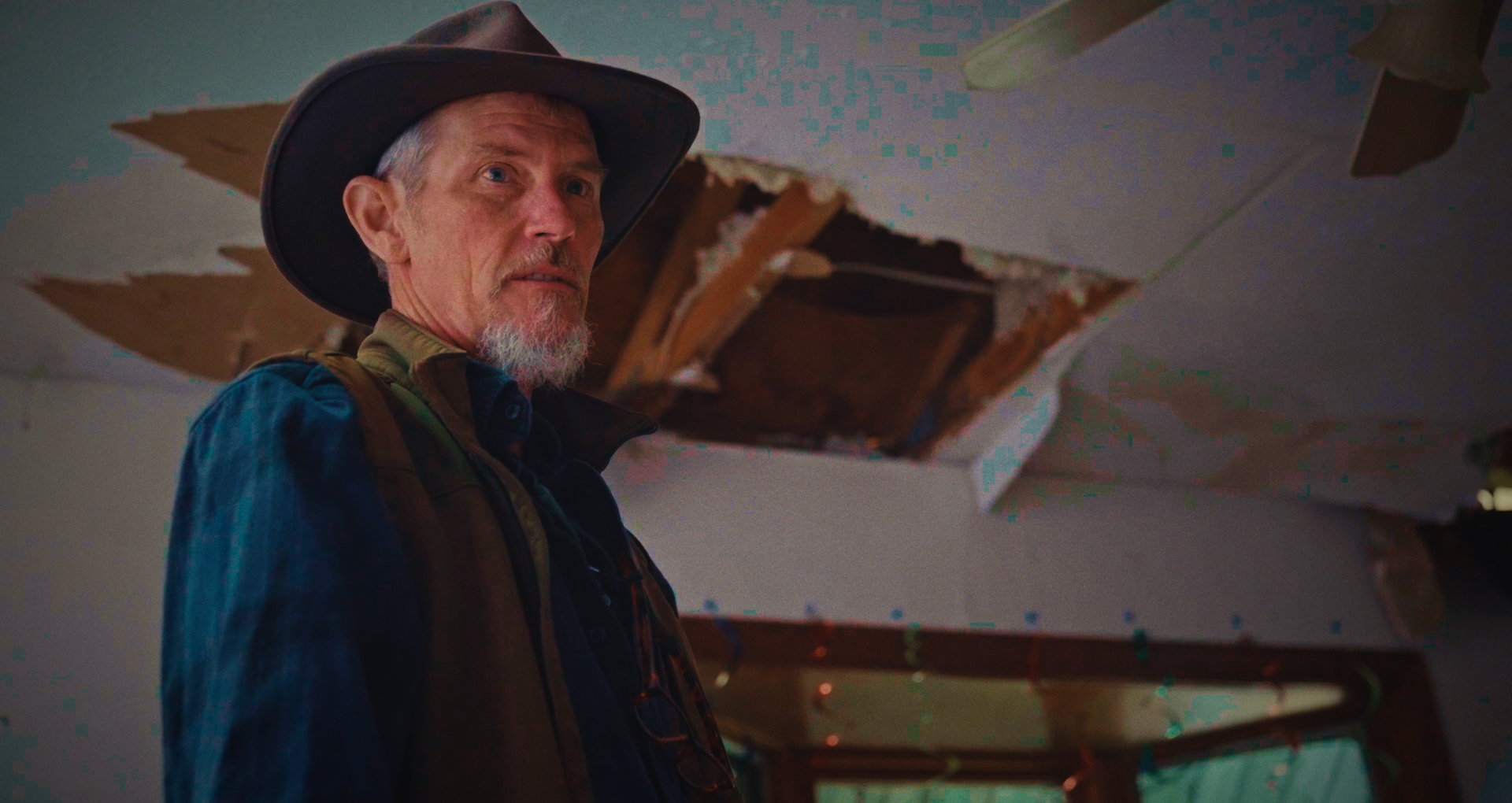
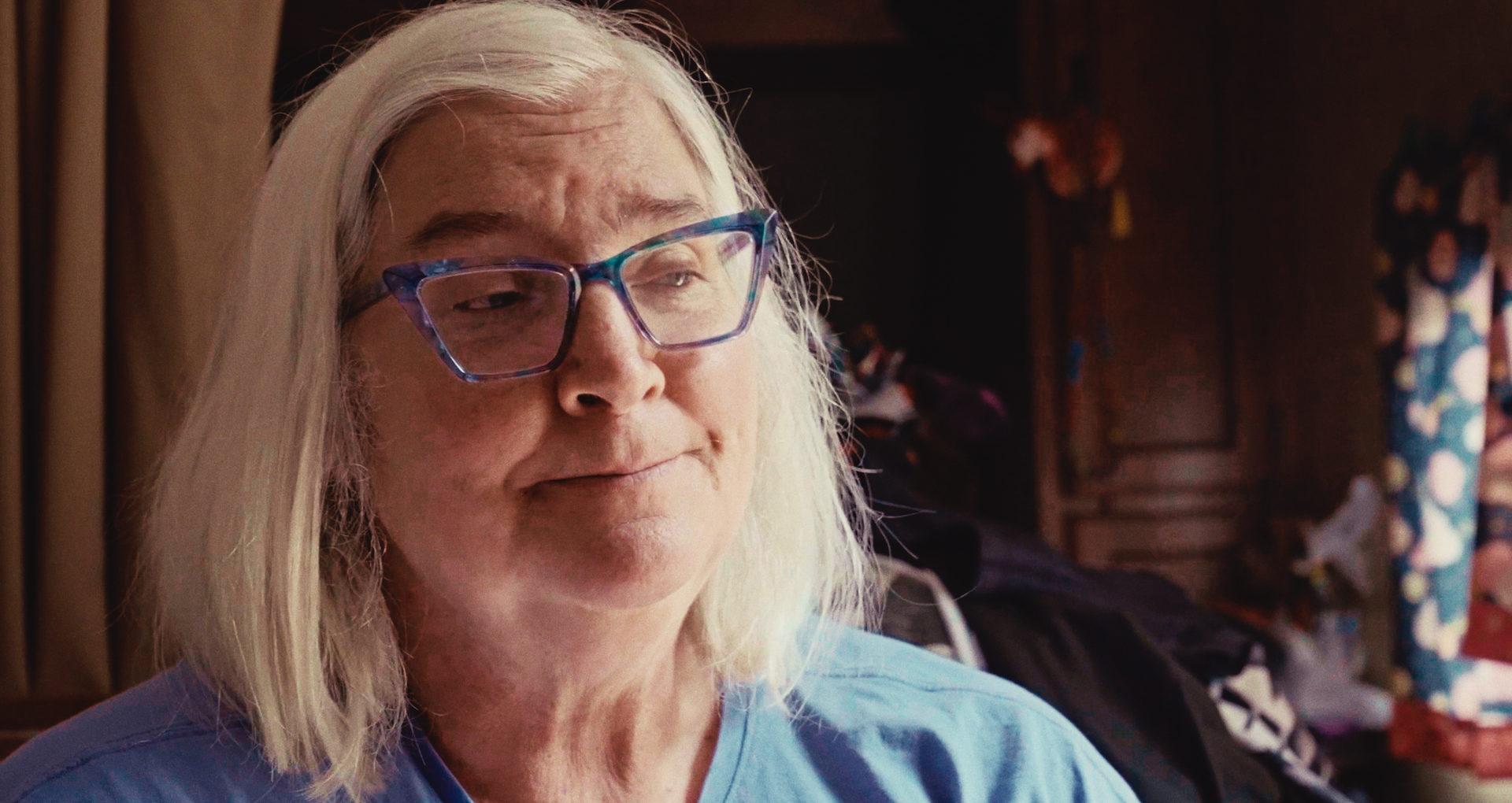
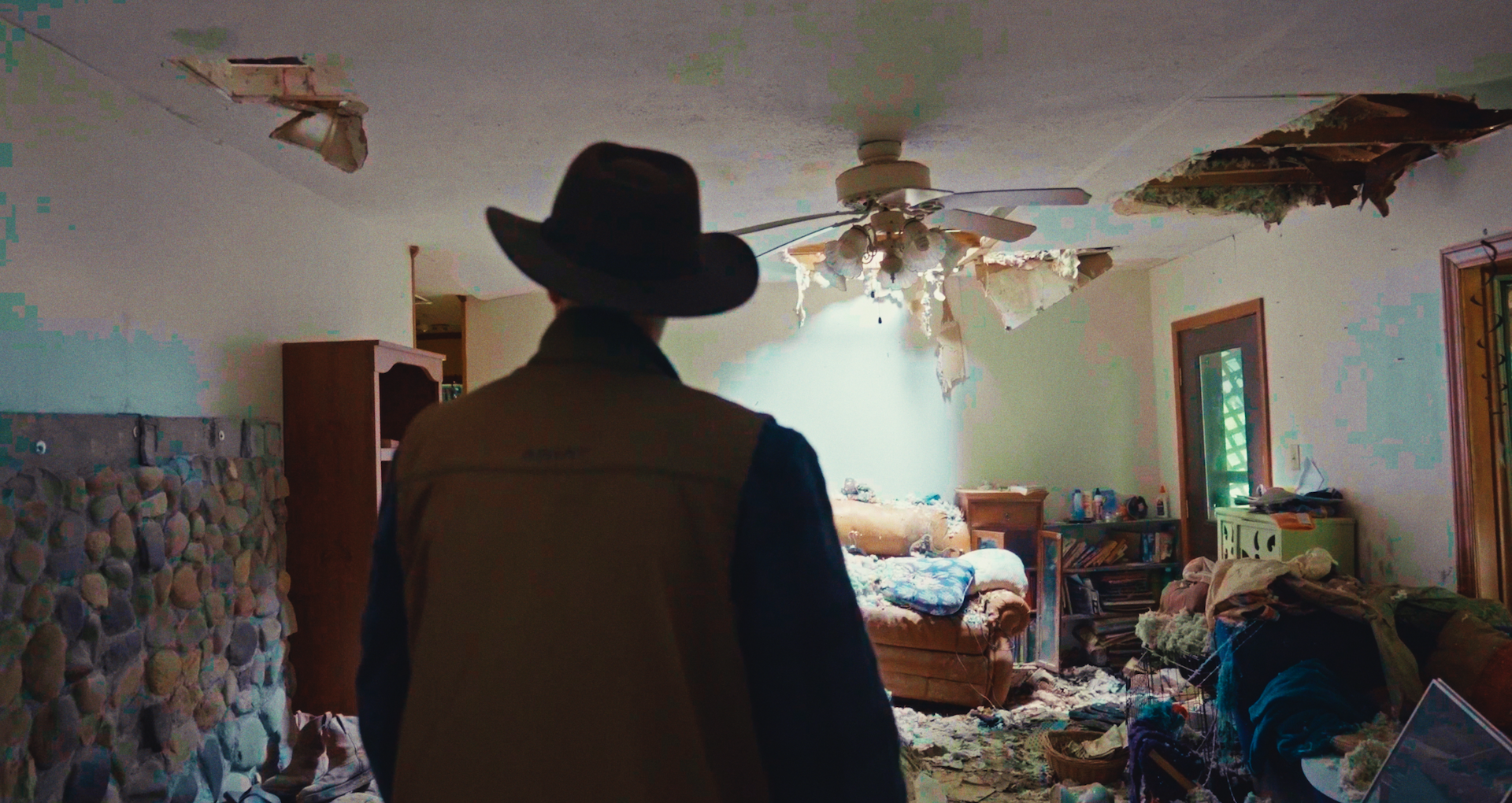
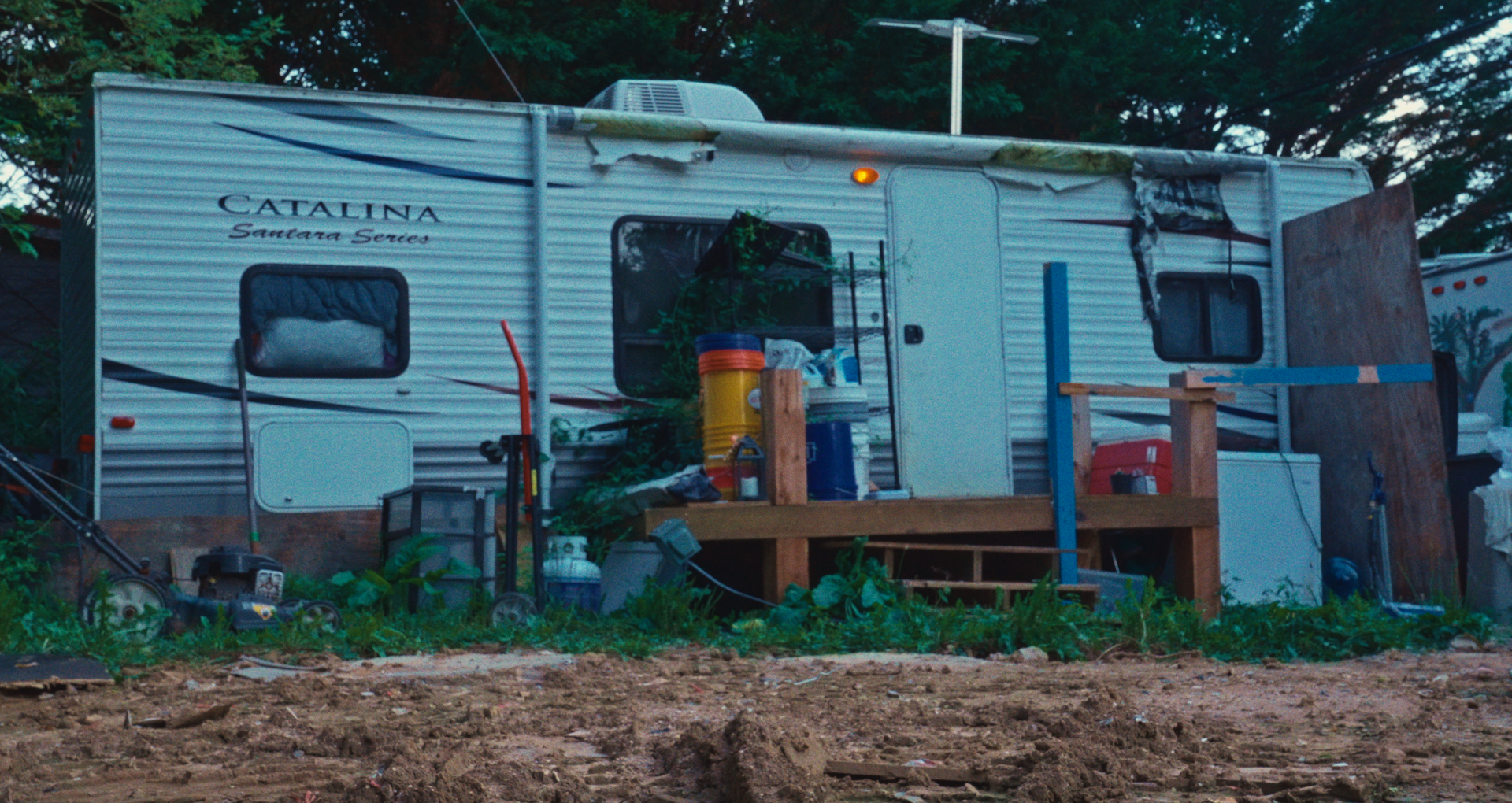
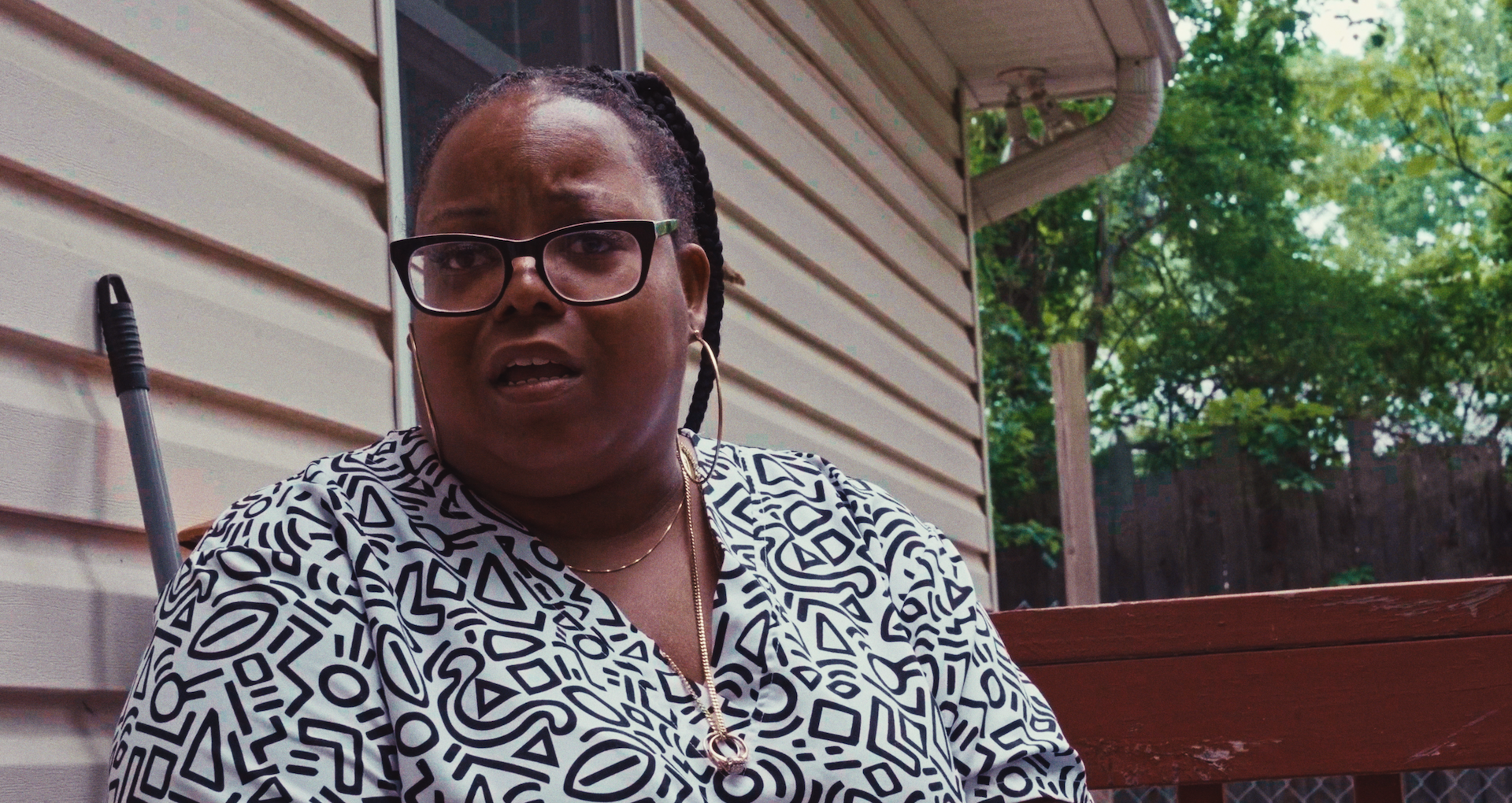
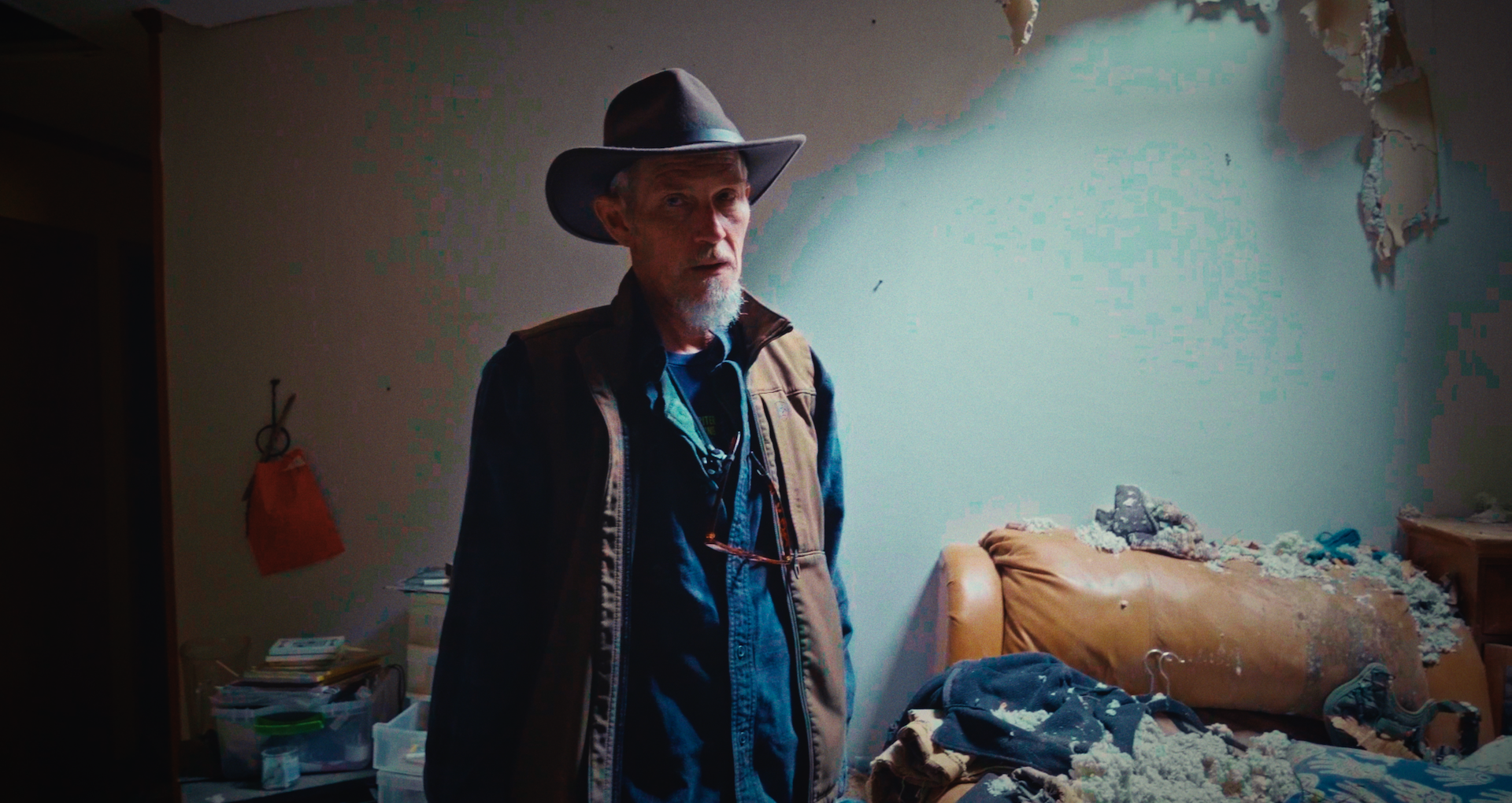
The subjects of this film follow Louis Barney, Angie McGee, Delia Lyte, and Lance Mills. These four individuals lost their homes during the storm and they share their stories of the event of that day, their healing process, and their ongoing battle with insurance companies and FEMA. They discuss how the storm altered their lives and the film gives insight to the day-to-day challenges of being displaced after a catastrophic event.
The film also interviews climate change scientists who conduct research at North Carolina State University. She will add her expertise and knowledge on the events that occurred and why it was a shock to the area.
Beyond the immediate chaos, the documentary examines the storm’s enduring impact on Western North Carolina’s environment. It highlights the region’s unique geography, where steep mountain terrains amplified flooding and erosion, causing long-term damage to ecosystems and waterways. Viewers will also gain insight into the effects on local industries, such as agriculture and tourism, both vital to the area’s economy.
Lastly the film poses critical questions about climate change, the increasing frequency of severe weather events, and the need for sustainable solutions to protect vulnerable communities in the future. This is a compelling exploration of human strength, environmental vulnerability, and the pressing challenges of living in an era of intensifying natural disasters.
Plays in
SACRIFICED SPACES (Documentary Shorts #2)
What can be done to change the status quo? This collection of documentary short films takes viewers into…
