INSIDE SCOOP
Rob Burnett: The True Meaning of “In Memoriam”
October 4, 2026
 tweet
tweet share
share
Charlotte Film Festival 2026
Rob Burnett: The True Meaning of “In Memoriam”
The writer-director of the film on legacy, comedy, and getting away with an edge.
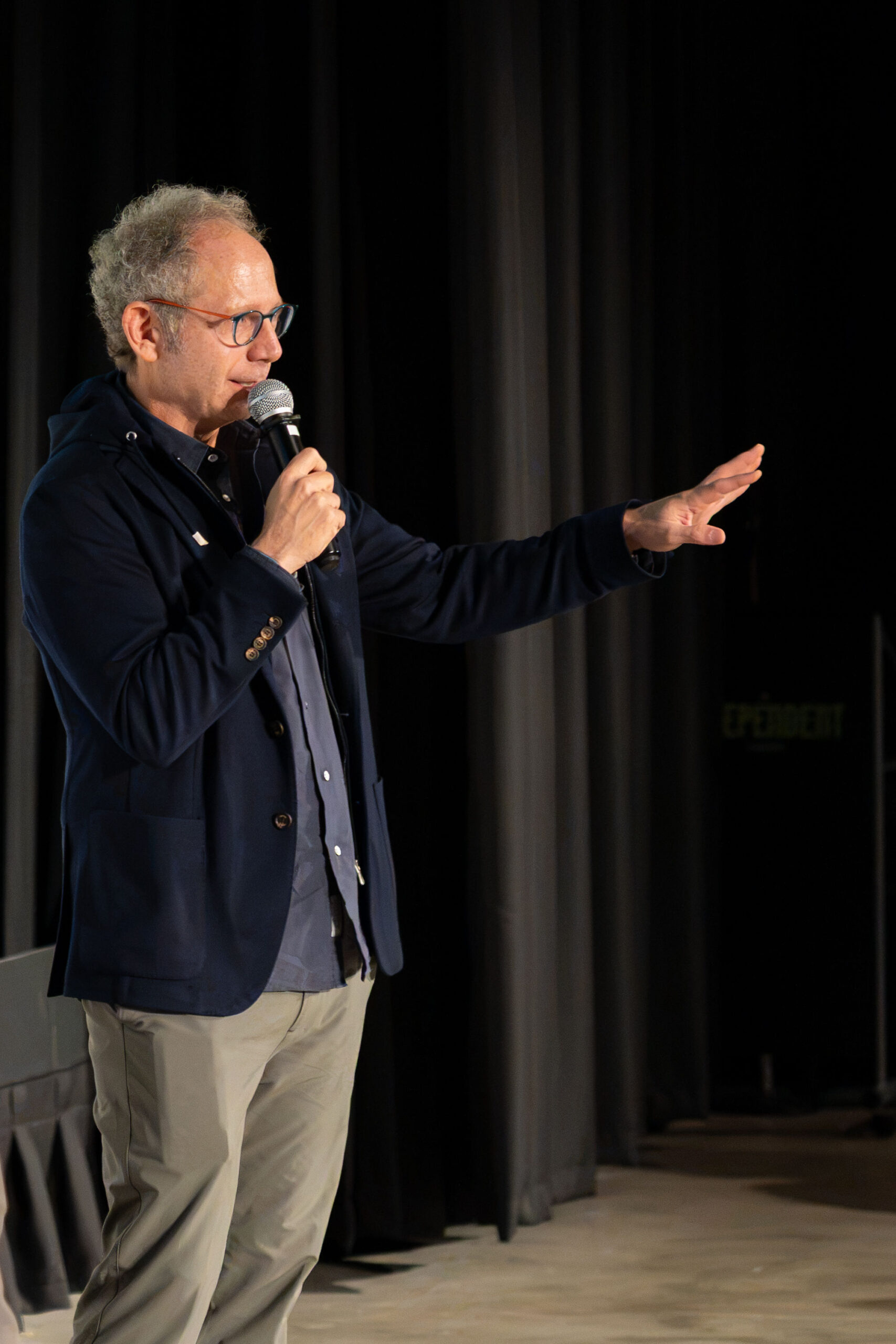
What is legacy? The most meaningful legacies aren’t material items or financial assets, but the values and principles you pass down to another generation. That is precisely what Rob Burnett explores in his new movie, In Memoriam, which had a special presentation at the Charlotte Film Festival on September 26, 2026.
In Memoriam is described as a comedy — though it has heartbreaking moments too. The film follows an aging actor diagnosed with terminal cancer who becomes obsessed with appearing in the Academy Awards’ “In Memoriam” montage. Written and directed by Burnett, it stars Marc Maron and Talia Ryder as his daughter, along with Lily Gladstone, Judy Greer, Michael McKean, Alan Ruck, and Sharon Stone.
In an exclusive interview at the festival, Burnett described beginning work on the story after the end of Late Show with David Letterman in 2016. Over the years that followed, he kept refining it — picking up ideas here and there, fascinated by the question of what we leave behind. One image stuck with him: one of the five Emmy Awards he won had ended up in his son’s room. One day, his son emerged with a shocked look on his face — he had accidentally destroyed the trophy.
“It wasn’t the award that mattered, but how I reacted and my relationship with him,” Burnett said. “It was one of those moments that helped inspire the story.”
The In Memoriam montage issue is real in Hollywood. While writing, Burnett spoke with Ben Stiller, who was navigating it firsthand: his father, Jerry Stiller, had appeared in the montage, but his mother, Anne Meara, had not.
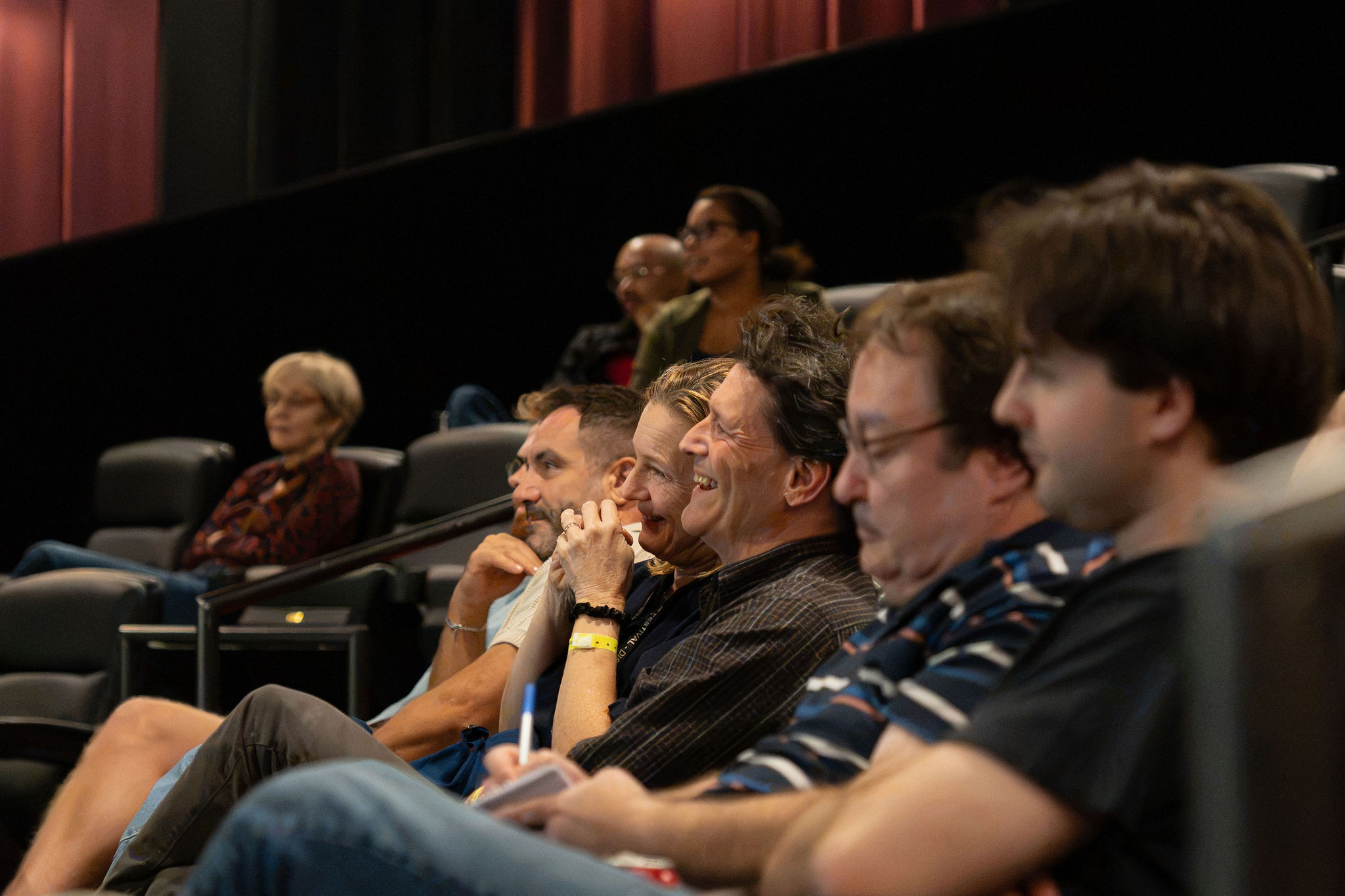
The story took a long time to finish and evolved considerably. Burnett wanted to examine what a meaningful life actually looks like — and to reach across generations doing it. “The key was to keep things as real as possible,” he said. “Life is very funny and tragic. I wanted to be true to that.” He was deliberate about avoiding the broad and the sentimental. The scenes between Maron and Gladstone make the point: funny, yet heartfelt and poignant. “When I write, I imagine myself in the audience. What would I want to see?”
Burnett found the tone and rhythm in the editing room — and credits his cast for allowing him to write with a bit of an edge. “I was able to push the writing because of the likable actors.”
During rehearsals, he knew he was in good hands watching Maron and Ryder together. “Marc couldn’t quite be himself around her. Talia could really express her emotions.” One morning, filming a key scene with Stone, Maron struggled — until Burnett and Maron discussed the passing of Maron’s girlfriend, unlocking a powerful performance. “The afternoon shoot was great, with Sharon helping to make that scene work so well.”
Burnett admitted he lucked out, working with talented and likable actors to bring his story about the real meaning of legacy to life — before a person’s final credit.
About the Author
Mario Boucher is an experienced journalist, copy editor, and communications specialist. Whether meeting and interviewing NASA astronauts, Steven Spielberg, and Bill Nye, or flying over the San Gabriel Valley with the Pasadena Police Department, he looks for people’s emotions in his print and digital writing. Now based in Charlotte, Mario communicates with authenticity, bringing a human perspective to brand storytelling and finding the people, purpose, and passion behind every organization.