FILMMAKER SPOTLIGHT
Spotlight: Jarika Johnson (Tah-Kee-Os-Tee)
September 12, 2026
 tweet
tweet share
share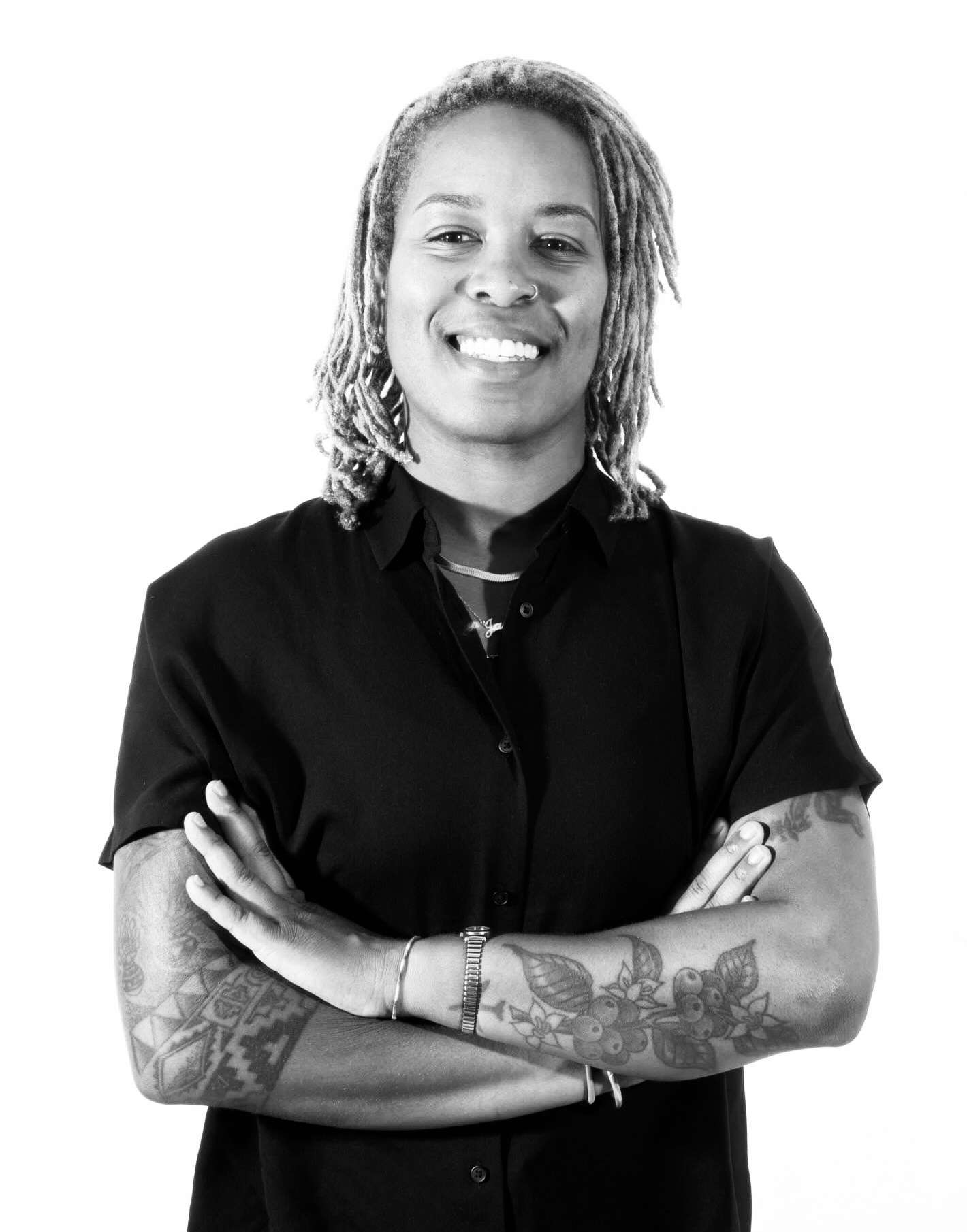
Filmmaker Spotlight
Tah-Kee-Os-Tee
Jarika Johnson · USA · 23 min
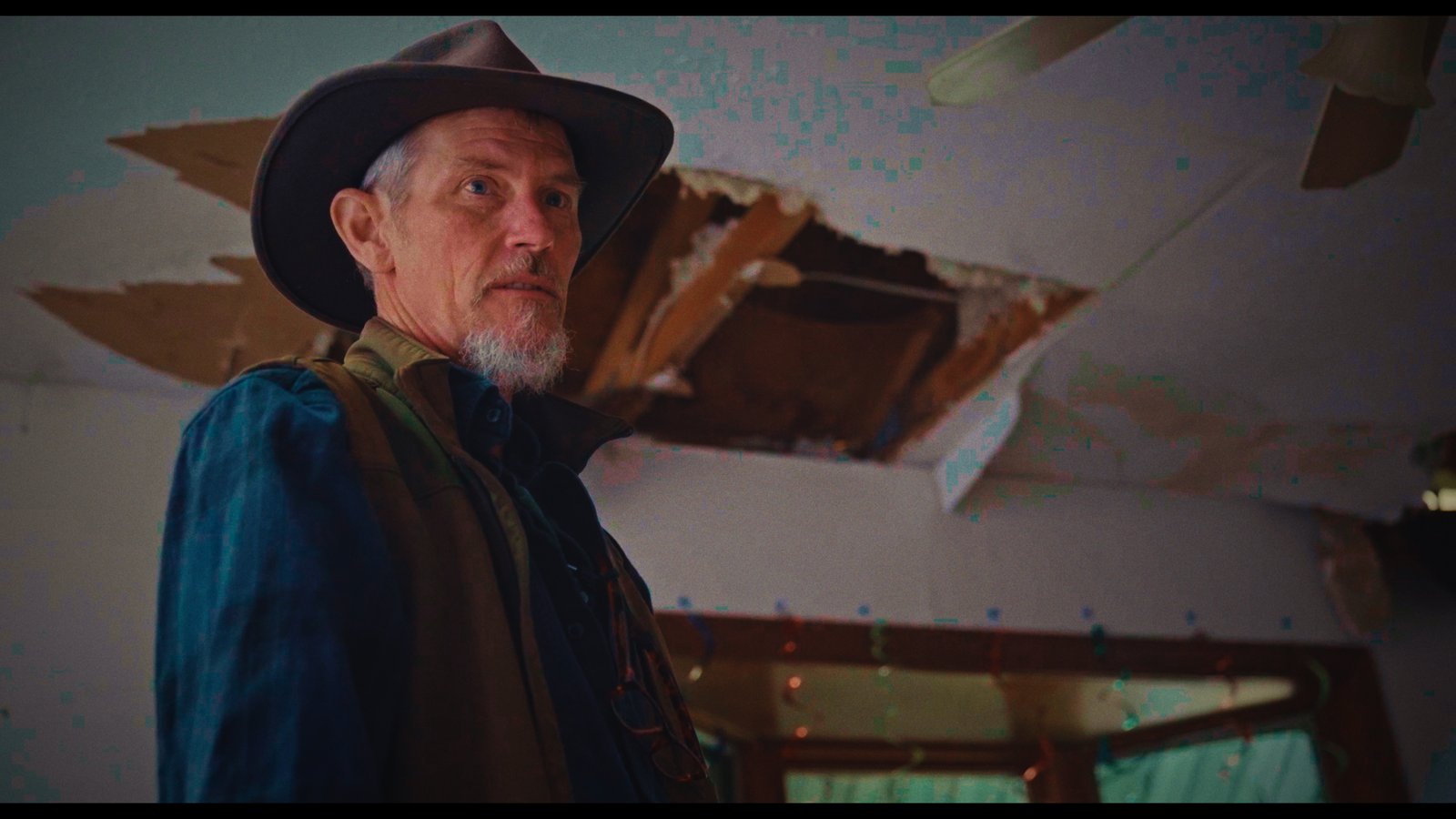
What led you to creating Tah-Kee-Os-Tee?
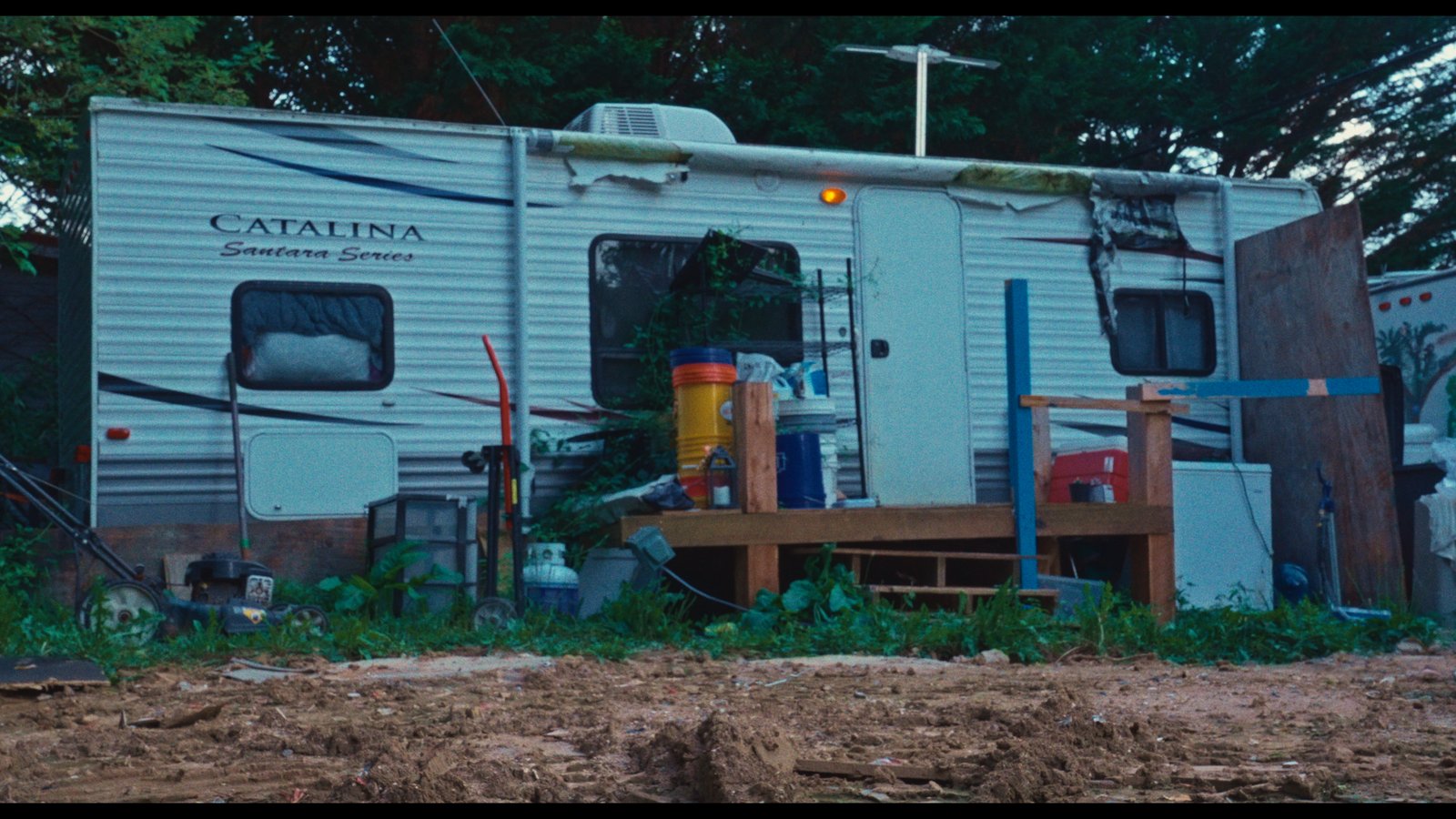
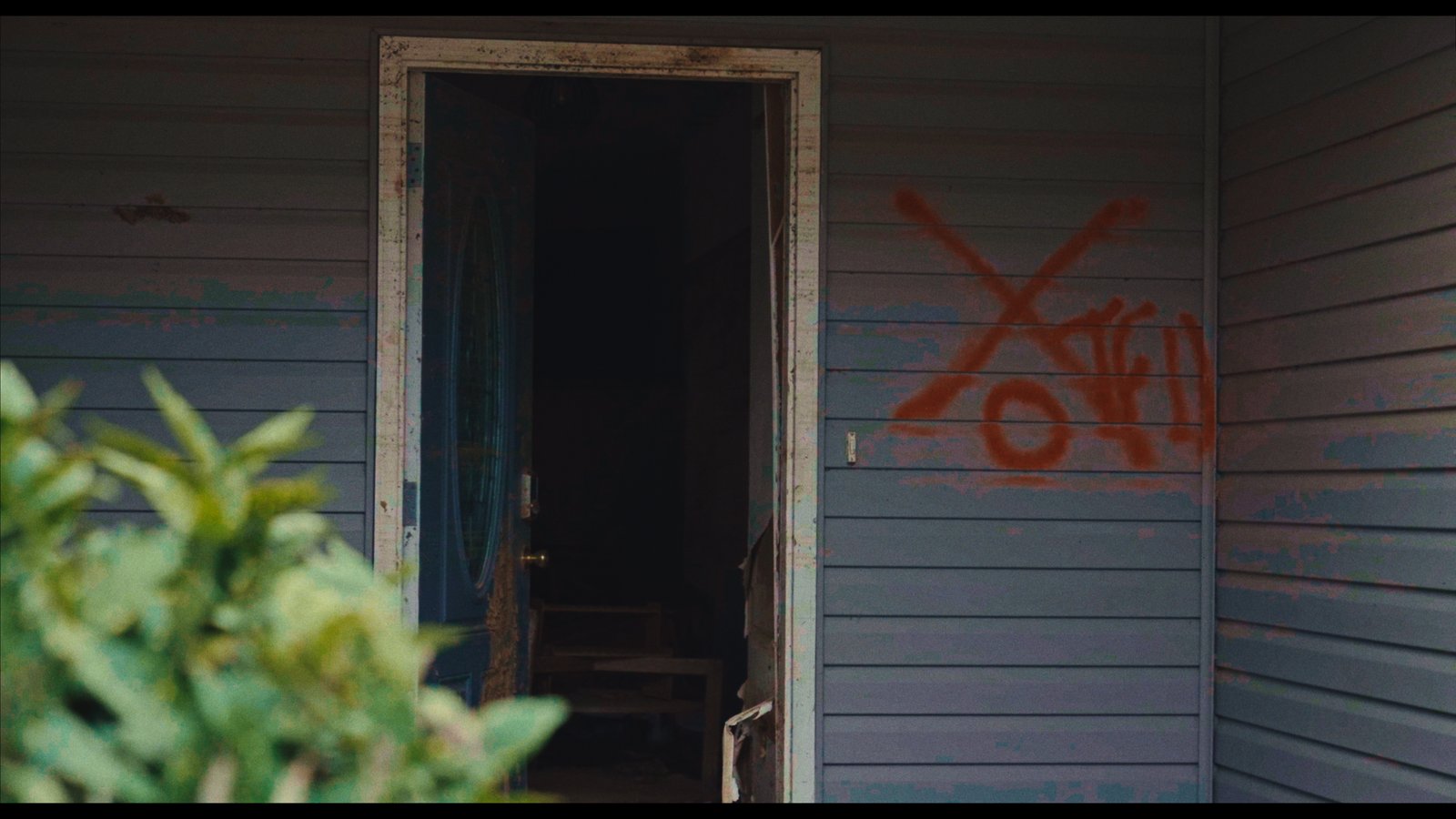
I created Tah-kee-os-tee because Hurricane Helene transformed a place I have always called home. Growing up in North Carolina, the mountains of Western North Carolina represented community, artistry, and a deep connection to the land. Watching those communities devastated by unprecedented flooding, landslides, and destruction was heartbreaking. As a filmmaker connected to the area, I believed creating this film would create space for voices that are often overlooked. I was compelled to document not only the scale of the devastation but also the resilience, grief, and determination of the people rebuilding their lives. I wanted to understand how climate change is reshaping communities and what it means when places we consider safe become increasingly vulnerable. The title, Tah-kee-os-tee, meaning raging river reflects a connection to the region’s Indigenous history and serves as a reminder that these landscapes have held stories long before this disaster and will continue to do so.
I was compelled to document not only the scale of the devastation but also the resilience, grief, and determination of the people rebuilding their lives.
What were some inspirations going into the creative process?

My creative process is rooted in observation, curiosity, and a desire to understand people and their relationship to the places they call home. Photography continues to be one of my greatest creative influences. It taught me to notice subtle details: the quality of light, quiet gestures, changing landscapes. Those lessons carry into my filmmaking, where I strive to create intimate, visually driven stories that allow audiences to slow down and truly experience a place and the people within it. I am also inspired by documentaries that prioritize observation over narration, allowing participants’ voices and lived experiences to guide the story. I rewatched documentaries by filmmakers that I felt displayed this in their work. I wanted to move beyond images of destruction and instead document the emotional landscape of recovery capturing the resilience of individuals, the strength of community. Throughout the filmmaking process, I allowed the people I met and the environment itself to guide the story, ensuring that the film remained grounded in authenticity and respect. Ultimately, my creative process is driven by a simple question: How can I create space for people to tell their own stories with honesty, dignity, and care?
Tell us what you hope the audience gets from Tah-Kee-Os-Tee and why is a story like this important to tell?
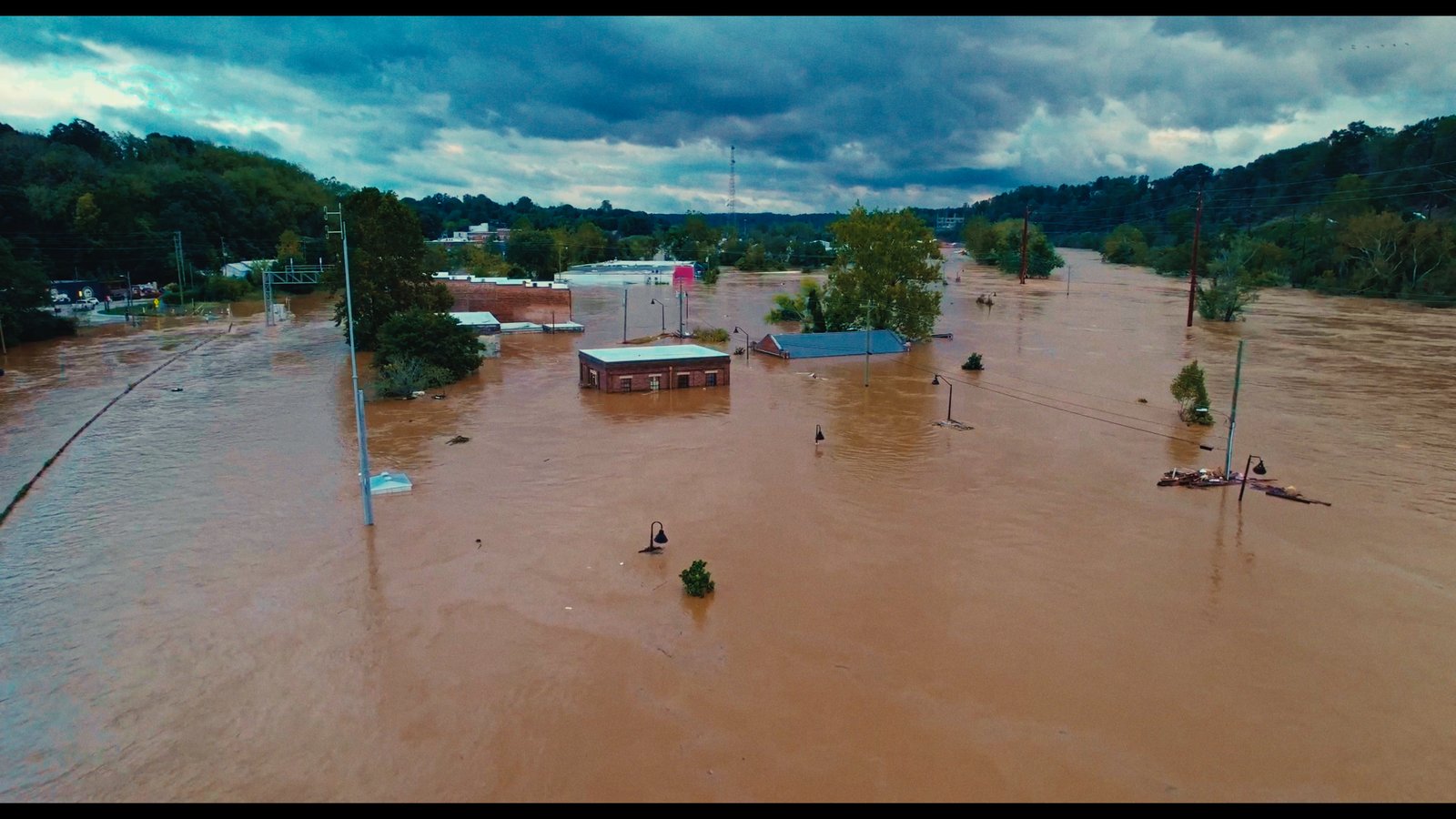
I hope audiences leave Tah-kee-os-tee with a deeper understanding of both the fragility and resilience of communities facing the realities of climate change. While the film documents the devastation left in Hurricane Helene’s wake, it is ultimately a story about people their determination to rebuild and the strength they find in one another during unimaginable hardship. I want viewers to recognize that climate change is not a distant or abstract issue. It is already reshaping communities, altering landscapes, and changing lives in places many have long considered safe. Through the personal stories in the film, I hope audiences see the human impact behind the headlines and understand that recovery extends far beyond the days immediately following a disaster. If audiences leave with a greater appreciation for the power of community, a stronger sense of environmental responsibility, and a desire to support and advocate for communities affected by climate disasters, then the film will have accomplished what I set out to do.
How did you become a filmmaker?
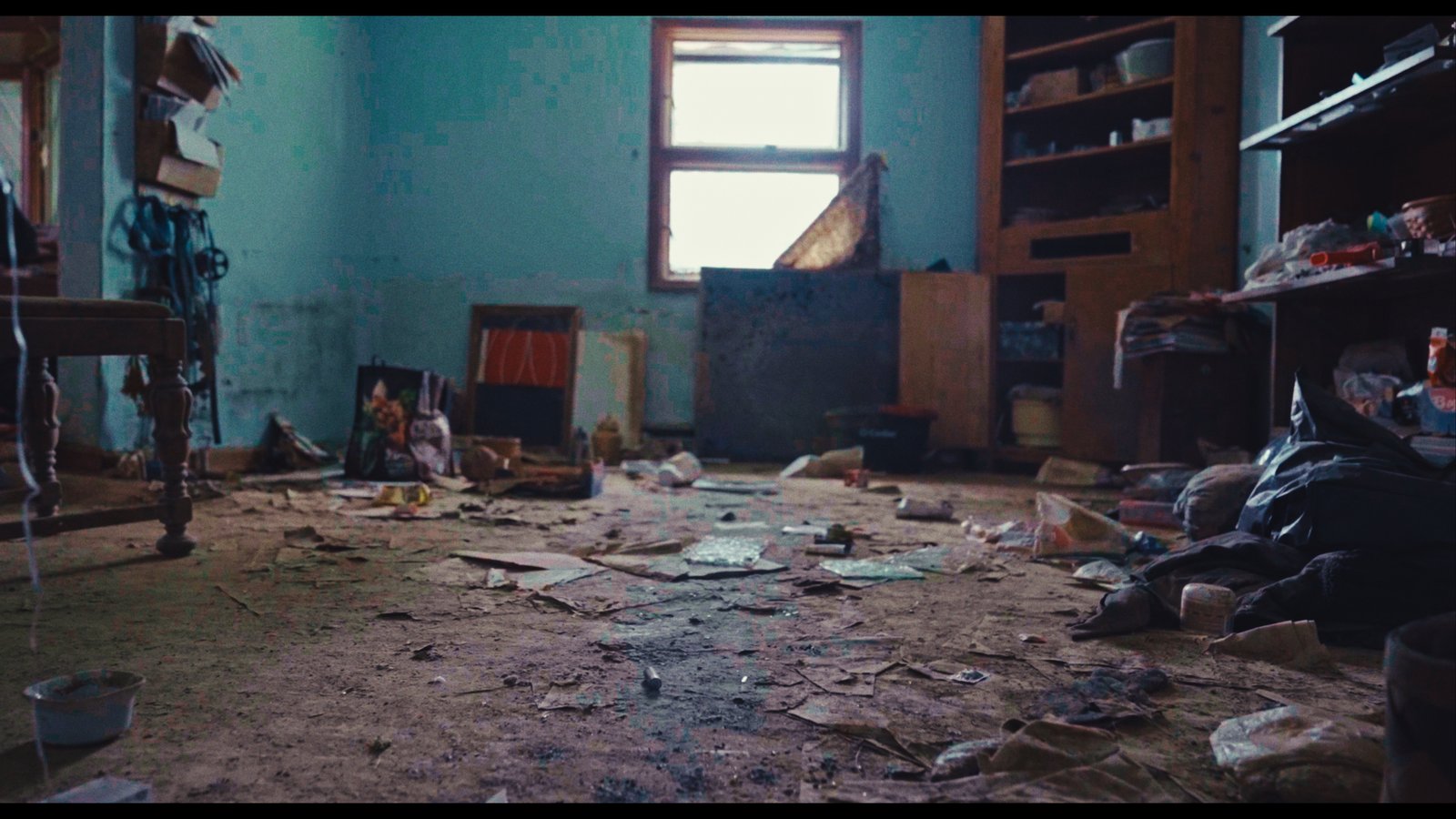
My path to filmmaking began with film photography. I spent hours walking around observing landscapes and everyday moments. This allowed me to learn about light, composition, and how to use a camera. As my interest in visual storytelling grew, so did my curiosity about filmmaking. I became captivated by the question, How are films made? I wanted to understand how directors, cinematographers, editors, and sound designers worked together to create visual stories. I began watching more films and taking workshops on the process of filmmaking. I realized that film combined everything I loved about photography while adding a little bit more.
| Film | Tah-Kee-Os-Tee |
|---|---|
| Director | Jarika Johnson |
| Section | Documentary Shorts |
| Shorts Program | Sacrificed Spaces |
| Runtime | 23 min |
| Screening | Sat 26 Sep, 12:10 pm |