Spotlight: Mohammad Hossein Nikzad (The Third Dream)
September 17, 2026
 tweet
tweet share
share
Filmmaker Spotlight
The Third Dream
Mohammad Hossein Nikzad · Iran · 19 min
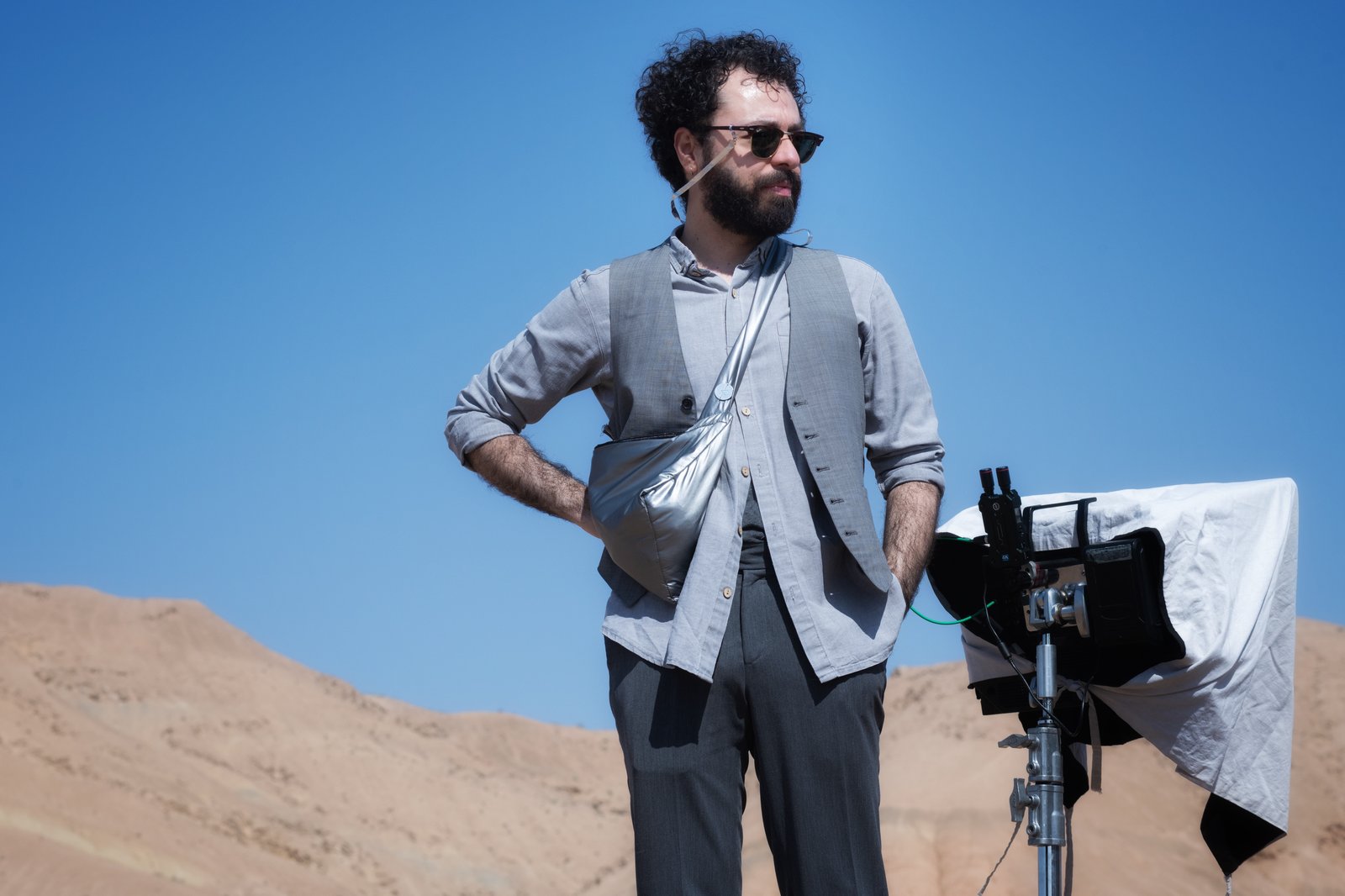
What led you to creating The Third Dream?
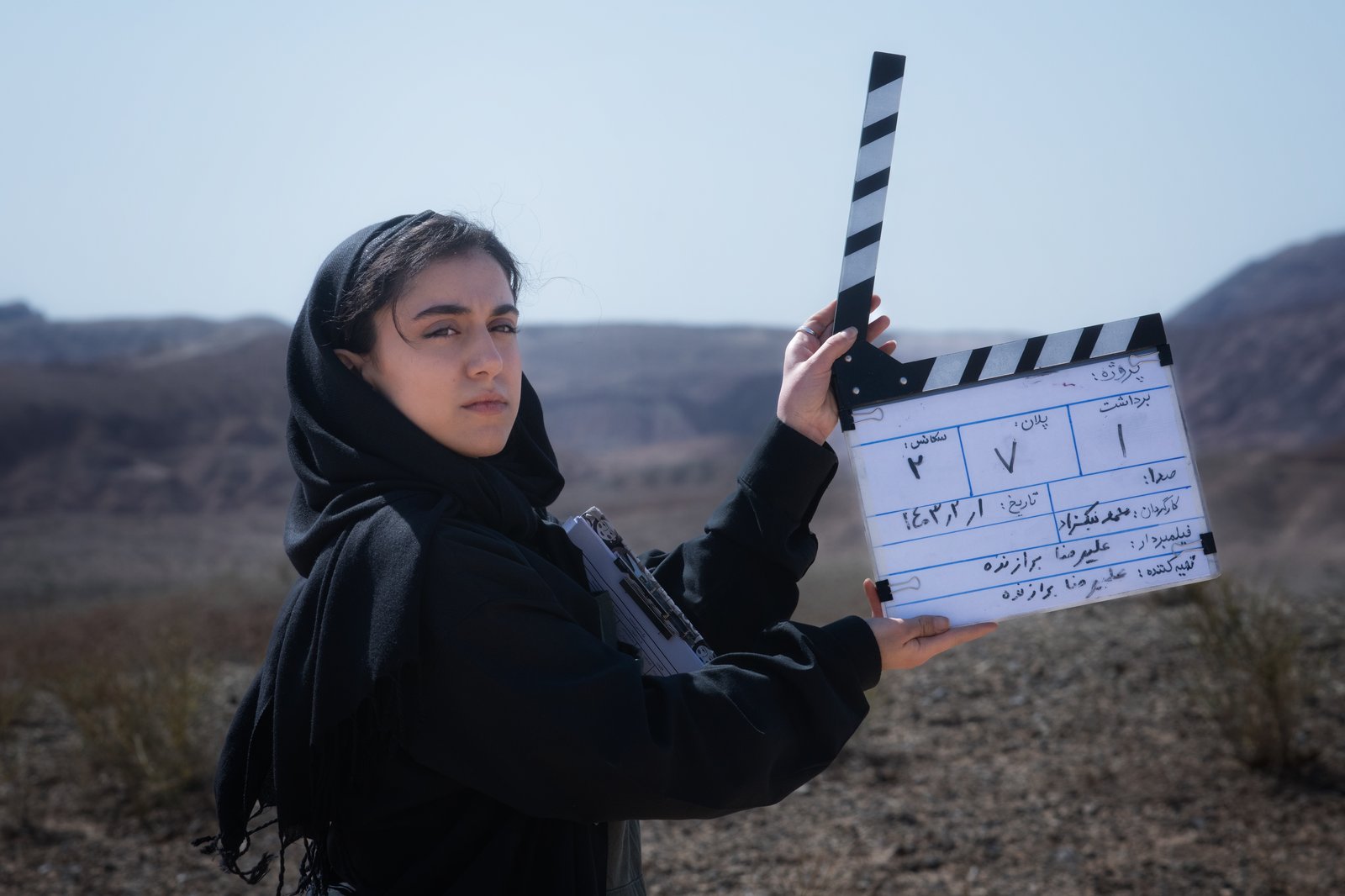
The film began after the Women, Life, Freedom movement, when many of us in Iran learned what interrogation really is. Not a search for truth, but a ritual of submission. The confession is written before the accused enters the room; every denial confirms guilt, every silence speaks. Living in that atmosphere, I kept asking myself one question: if power can rewrite what you said, what you did, even what you remember, what is left that belongs to you? The only answer I found was dreams. And then came the more frightening thought, the one that became this film. What if even that is not safe?
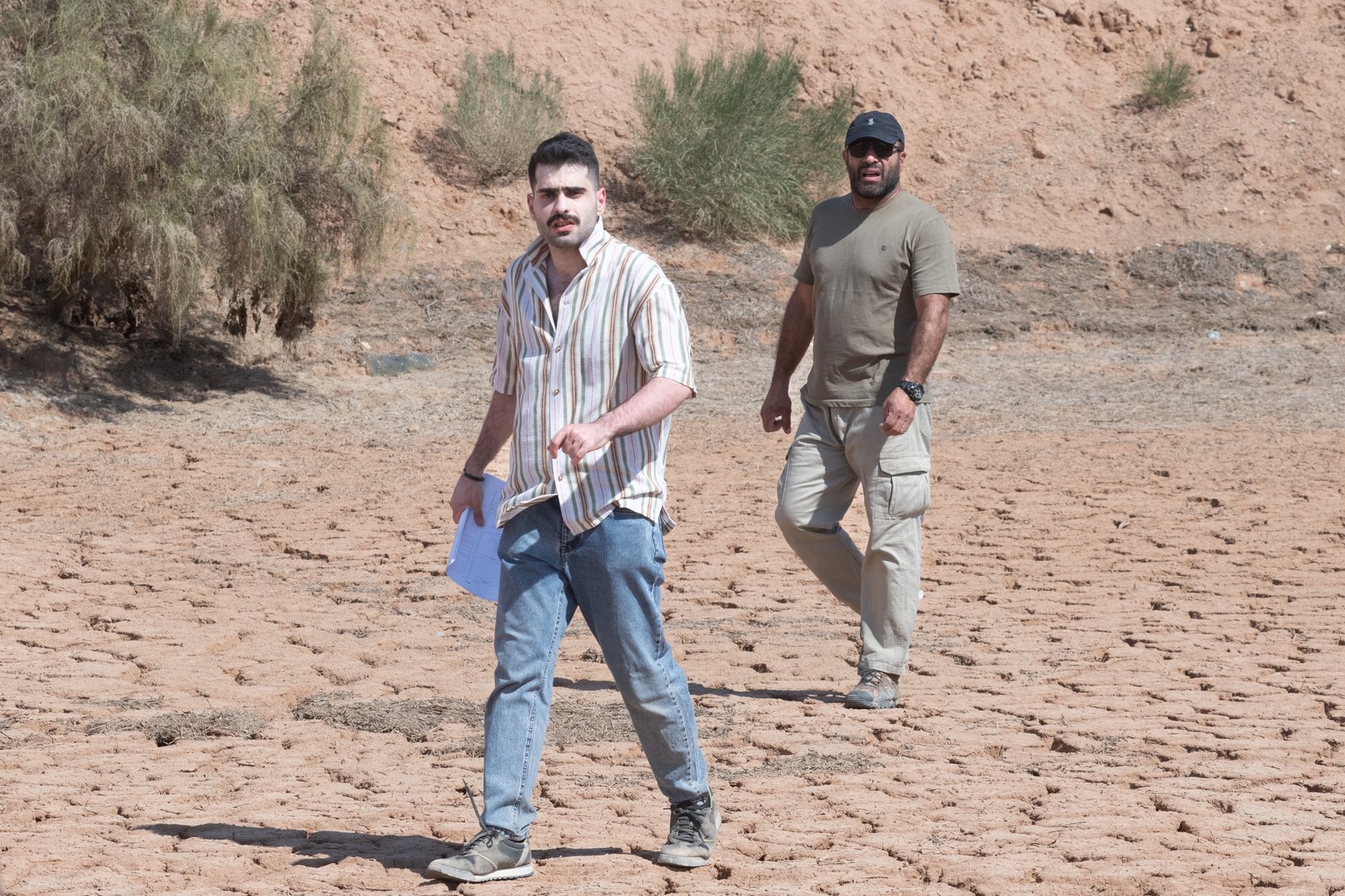
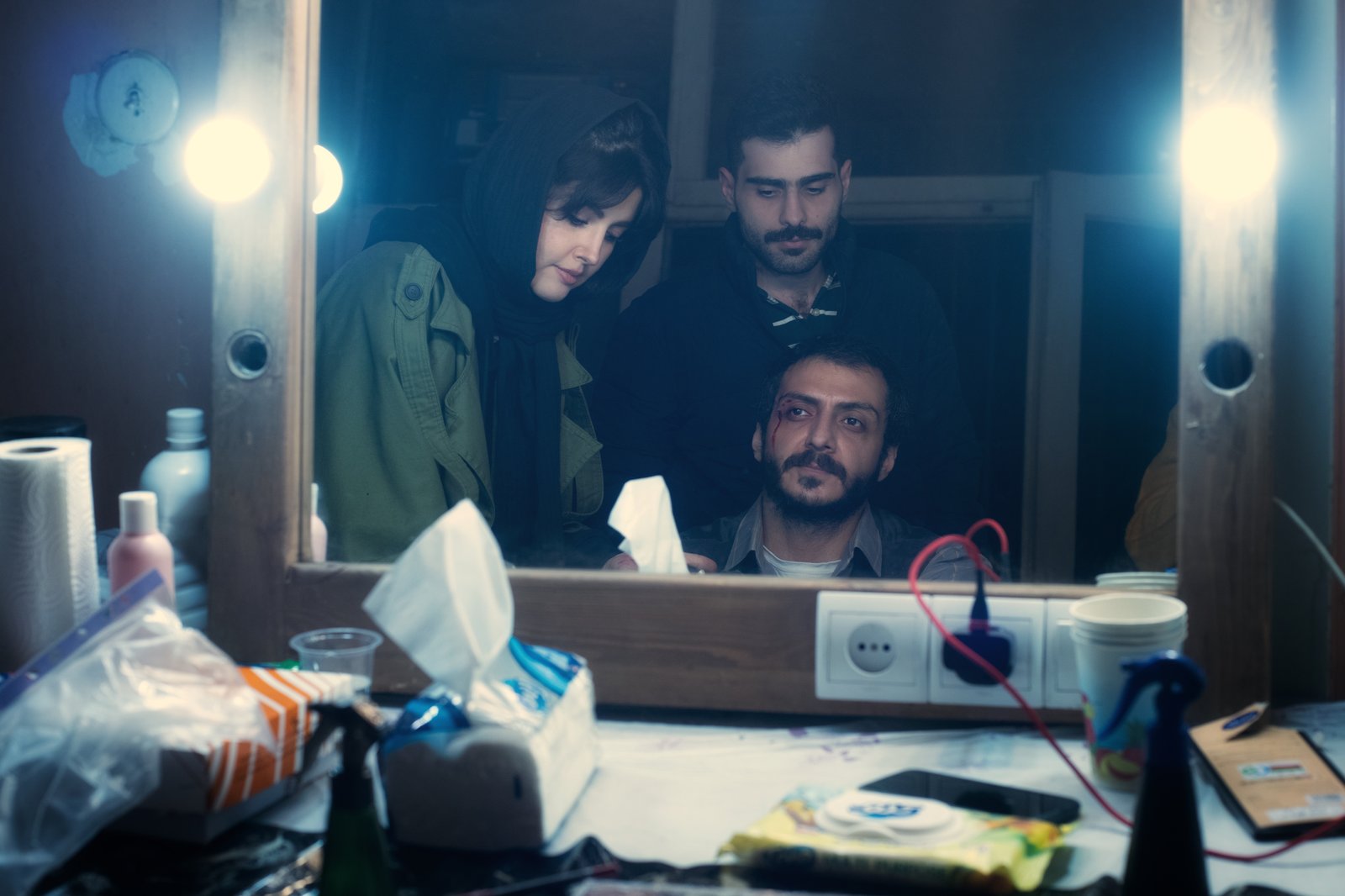
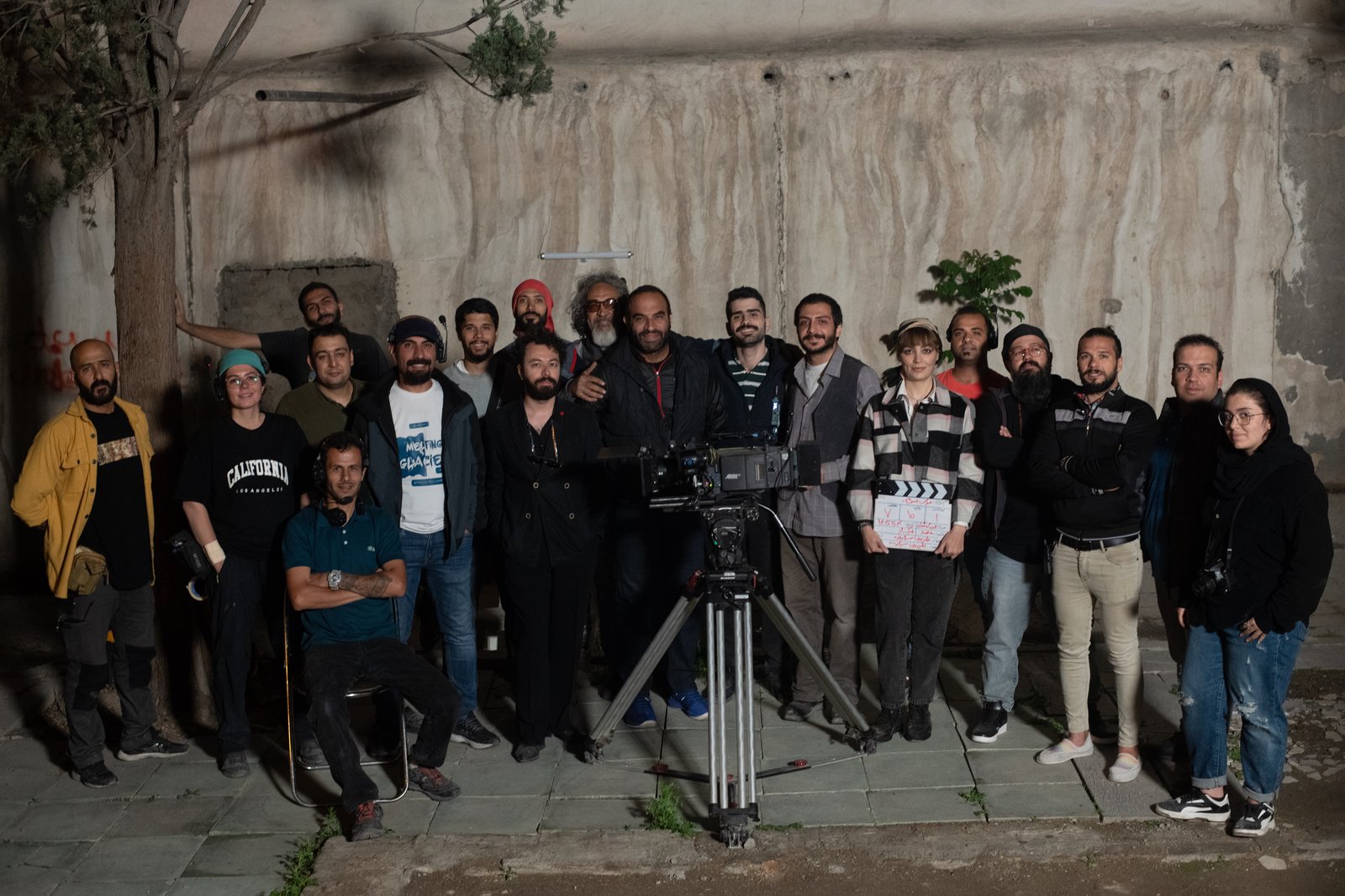
So the question became a doctor and a dreamer in a room, and a session of psychoanalysis that slowly reveals itself as something else. A film like this could never be approved in Iran, so we made it without permission. Four days, lookouts at the door, empty memory cards ready to swap if the camera was taken. The film is about a world where even dreams are interrogated. Making it was our answer.
A film like this could never be approved in Iran, so we made it without permission. Four days, lookouts at the door, empty memory cards ready to swap if the camera was taken.
What were some inspirations going into the creative process?
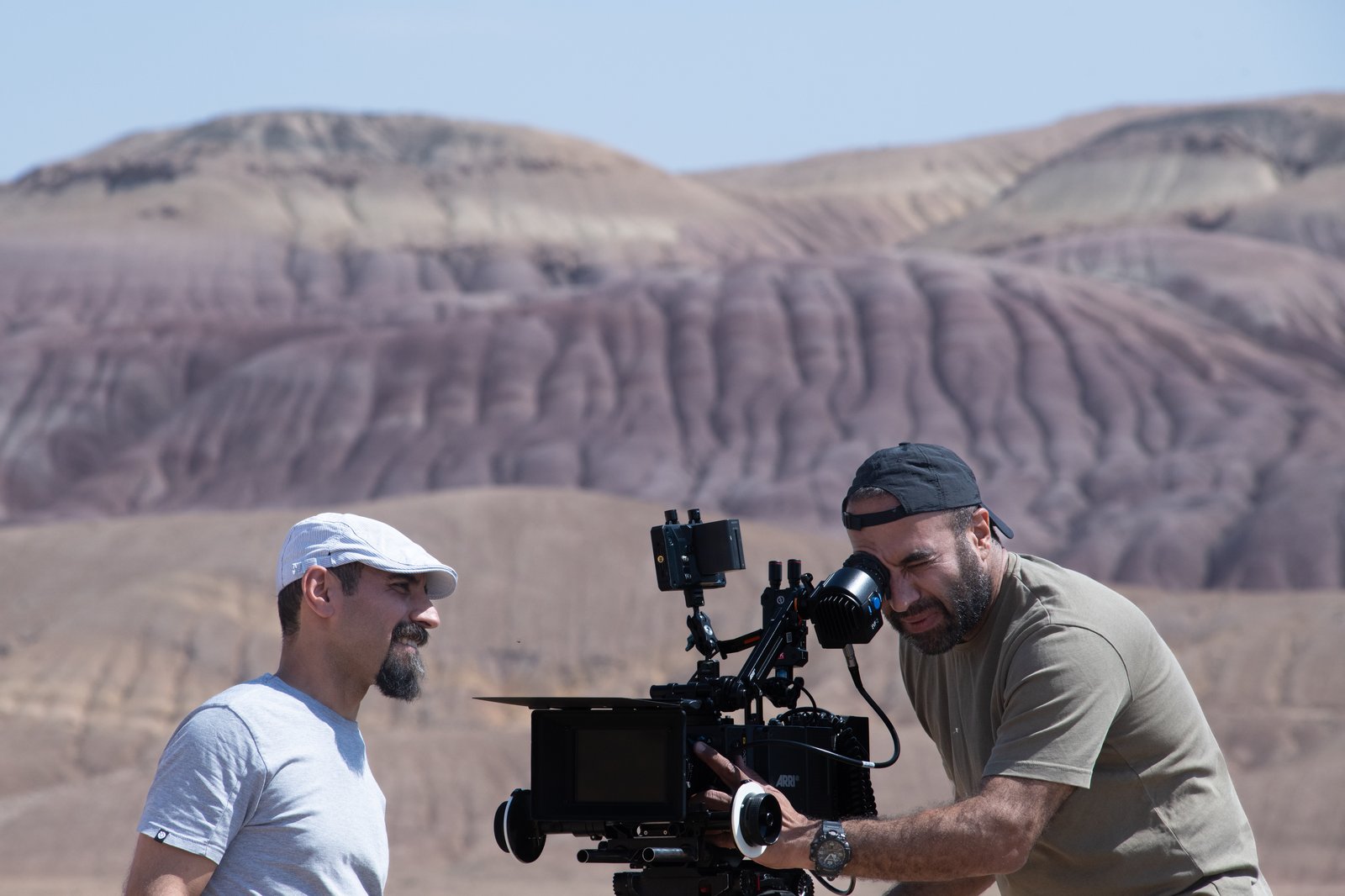
The deepest inspiration was not cinematic at all. It was the lived reality of interrogation in Iran, the accounts of people dragged into rooms where language collapses and memory is repurposed by power. That warped dynamic became the emotional architecture of the film before any image did. From there I drew on the tradition I come from: Iranian filmmakers who learned to speak under censorship. Kiarostami’s ellipsis, Beyzaie’s mythic symbolism, Shahram Mokri’s looping structures. Mokri was my teacher, and from him I learned that form itself can be an act of resistance, that how a story circles can say what its words cannot.
Beyond Iran, Buñuel and Lynch shaped how I treat dreams, not as escape but as territory, and Bergman taught me that a single room with two faces can hold an entire regime. But my strangest influence is my first profession. I trained as a pharmacologist, and I know how precisely the mind can be measured, altered, and controlled. The Third Dream sits exactly there, where the clinical meets the political, where a doctor’s chair becomes an interrogator’s, and where the question of who owns your inner world stops being theoretical.
Tell us what you hope the audience gets from The Third Dream and why is a story like this important to tell?
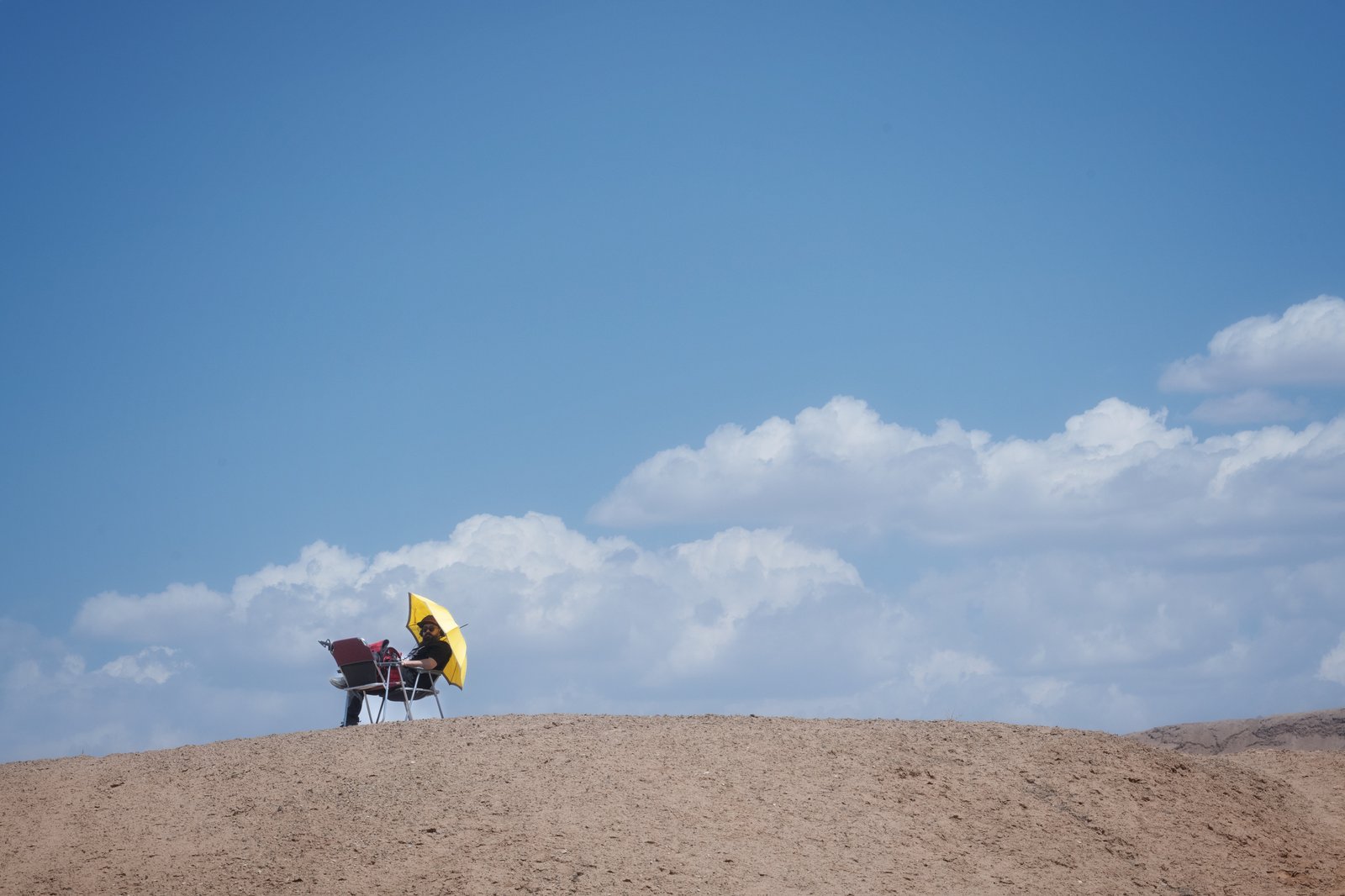
I don’t want the audience to watch an interrogation. I want them to be inside one. The film withholds, distorts, and asks them to decode what they see, so that by the end they have felt, even briefly, what it means to navigate a space where every answer is futile and the truth was never theirs to protect. If someone leaves the cinema uneasy, unsure of what was real, still turning the images over on the way home, then the film has done its work. Understanding repression is easy. Feeling it is what changes people.
This story matters because it is not only Iranian. Everywhere, power is learning to reach further inward, into our data, our attention, our private selves, and the interrogation room is simply the oldest version of that reach. In Iran, the stakes are bodies and lives; the countless silenced voices of the Women, Life, Freedom movement stand behind this film, and cinema is one of the few places their experience can be preserved and passed on. But the question the film asks belongs to everyone. When the last private space is threatened, what remains of a person? I made this film to say: the dream, and the telling of it, is still ours.
How did you become a filmmaker?
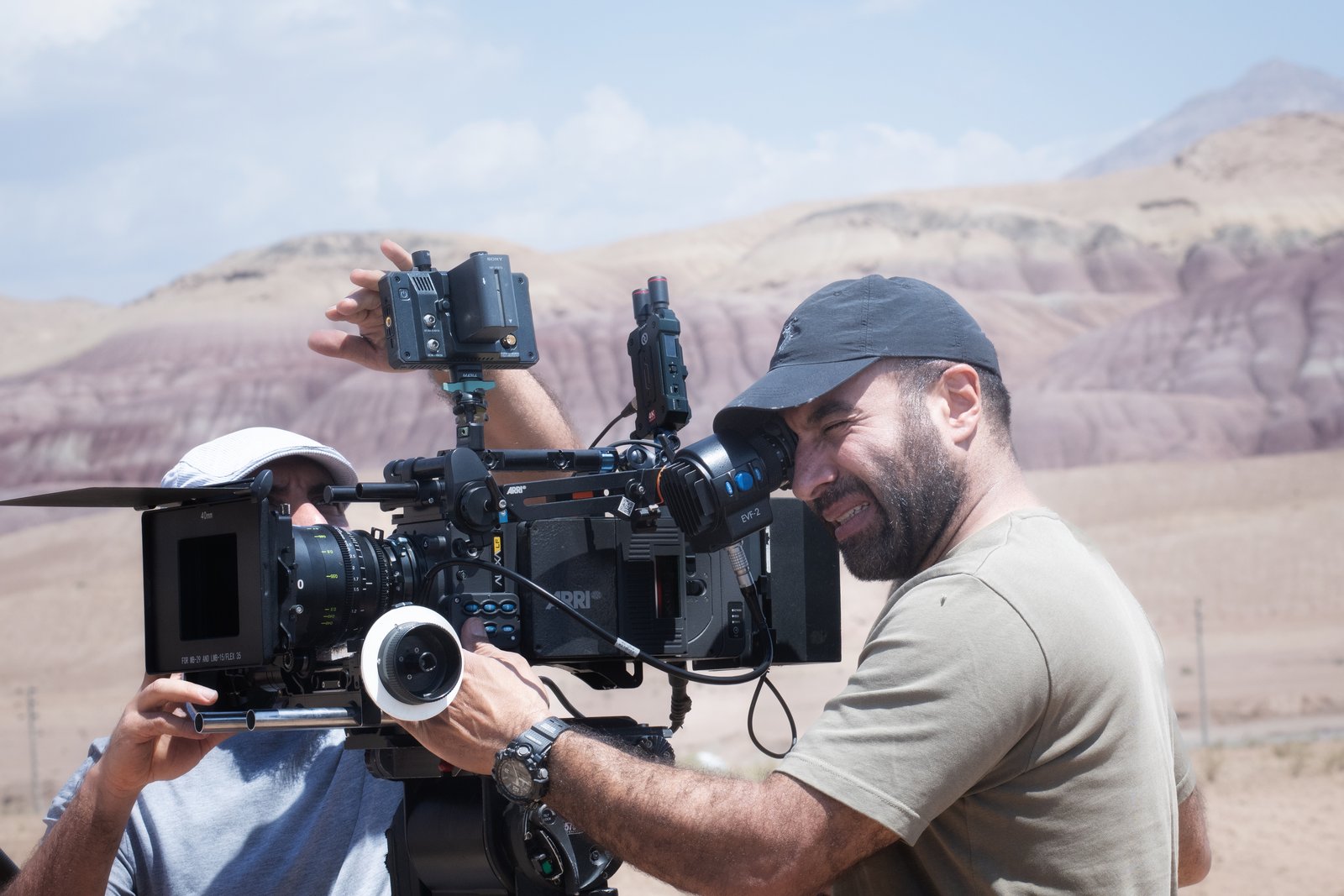
By a long road. Cinema was my childhood dream, but I grew up with a single mother in Tehran, and financial pressure made pharmacy the responsible choice. So I studied it, and I smuggled cinema into every corner of that life. I founded a film club at the medical university and ran it for four years, sixty-six films, arguing about each one. I directed plays. I made teasers for scientific congresses. I was a pharmacy student in the daytime and something else entirely underneath, and eventually the underneath won. I enrolled at the Karnameh Institute and studied directing under Shahram Mokri, cinematography under Alireza Barazandeh, and made my first shorts there with borrowed gear and almost no money.
What finally made me a filmmaker, though, was not the training. It was realizing I had no choice. After graduation I spent a mandatory year working as a pharmacist in a remote border province, far from everyone I knew, and in that isolation the only thing I did with my free hours was photograph the landscape and write. That year told me the truth about myself. When I returned, I wrote The Third Dream, sent it to my former teacher Barazandeh, and he came on board as producer and cinematographer. I still hold a doctorate in pharmacy. But I understood at some point that I don’t want to spend my life measuring what the mind takes; I want to spend it showing what the mind holds.
| Film | The Third Dream |
|---|---|
| Director | Mohammad Hossein Nikzad |
| Section | Narrative Shorts |
| Shorts Program | Dissonance |
| Runtime | 19 min |
| Screening | Thu 24 Sep, 9:20 pm |