
Spotlight: Jeremy Seifert (Papertown)
September 17, 2026
 tweet
tweet share
share
Filmmaker Spotlight
Papertown
Jeremy Seifert, Ben Roberts · USA · 84 min
What led you to creating Papertown?
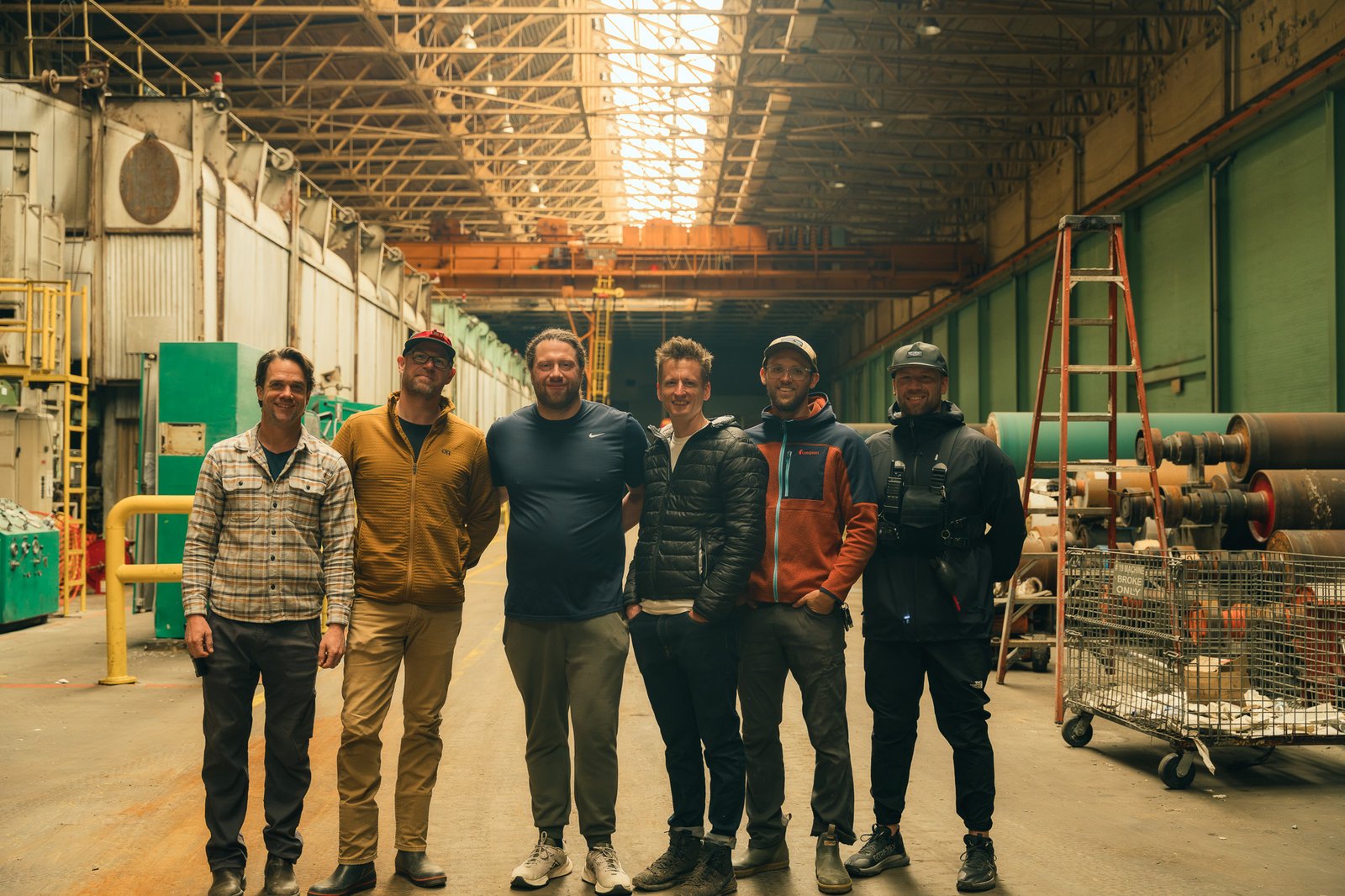
I was driving to a coffee shop in my hometown of Asheville, North Carolina in early March 2023 when I heard a story on our local NPR station, Blue Ridge Public radio. It was an announcement that the papermill in Canton just 30 minutes to the west was suddenly closing down after 115 years of operation. The announcement came as a shock to the 1200 employees of the mill and the town of just over 4000 residence, all of whom had intimate ties to the mill. As a documentary Filmmaker, I thought this was potentially a really unique opportunity to follow the story in real time. and experience the shock and anger and loss with the town. from the time I heard the news, they were just three months until the middle would be shuttered and Life in Canton completely altered. I immediately called some of my Filmmaker buddies in town and told them we should hop on it even though we had no money or support. One of them, Chris Pruett, lives in Canton and his “papa“ worked in the middle for most of his life. Two others, Colby Sexton also a resident of Canton and Jacob Sutton seventh generation Sutton from Waynesville, had already started filming the night before at the prayer vigil held in downtown Canton with the steaming and smoking mill as a backdrop to this gathering of hundreds of fearful and distraught crowd of millworkers and their families. There were six of us in total, who decided to pursue the story, gather up all of our cameras and lenses. and lights, and document the next few months.
We threw ourselves into this story—showing up day after day (unpaid), fueled by a shared belief that this chapter in Appalachian history mattered.
What were some inspirations going into the creative process?
I was inspired by the docs “All That Breathes” and “King Coal.” Wendell Berry’s book “The Need to Be Whole.” And so many other great books, films, and works of art.
Tell us what you hope the audience gets from Papertown and why is a story like this important to tell?
About three years ago, a small crew of local filmmakers and I began documenting a seismic moment in the life of Canton, NC—when the beloved paper mill that shaped the town for nearly 120 years suddenly announced its closure.
Our producer, Chris Pruett, lives in Canton and his “papaw” worked in the mill for most of his life. We had an immediate connection to the town and mill workers. We started with an interview at Chris’ neighbor’s house, Nancy Boydston, interviewing her son, Matt, in his dad’s tool shed. I was in awe of this giant man and his quick wit and thick Appalachian accent. We laughed our asses off and also cried during his interview. I knew this was something really special.
We set out documenting the experience of the workers and the community just days after they found out the mill was closing. Third and fourth generation mill workers would be losing their jobs in just three months, and with it, a big piece of their identity and communal bond.
This was happening just down the road from me but it felt so foreign and removed from my world. It also felt important, not just for Canton but for all of us.
I think that’s why the story turned up on the front page of The New York Times last summer: “A Mill Town Lost Its Mill. What Is It Now?” From Times writer Emma Goldberg’s piece,
”60,000 manufacturing hubs have been wiped off America’s map since the late 1990’s. For every 100 factory jobs lost in a community, 744 other jobs disappear.”
We threw ourselves into this story—showing up day after day (unpaid), fueled by a shared belief that this chapter in Appalachian history mattered. It was our community of local filmmakers meeting with and documenting the community of Canton and their struggle to comprehend what was happening, and they approached it with a particular kind of humor and resilience found only in this corner of the world.
Sometimes stories like this only get told in this way. We couldn’t wait for funding, for our day rates and gear rentals.
We just had to do it, showing up with our cameras and documenting because stories like this need to be told and so often go unseen. There’s no well-known figure, no hook in pop culture, no scintillating issue of the day. It’s just small-town life in an overlooked area, often avoided and disdained because of the stinky mill, but it’s teeming with life and amazing people, each with their own struggles and joys and offerings for the rest of us to take in and learn from.
Ultimately, this film isn’t about the mill or its closing. It’s a story about the people and community of a Southern Appalachian town named Canton, NC, and I can’t wait to introduce the world to characters like Matthew Boydston, Roger Frady, Gail Mull, Zeb Smathers, Jonathan Lovelace, and so many more. This is a human story of resiliency, the meaning and dignity of workers and good paying jobs, and the power of community and neighborliness, and the importance of home.
This film is also a beautiful tribute to independent filmmaking at a time when it is so damn hard to make a film that doesn’t check all (or any) of the boxes that will get attention and funding. We had to sacrifice and push through so many obstacles to get this done. With $150,000 from three grants (Catapult Film Fund, Ford Foundation, and Foundation for the Carolinas) over the last three years, we’ve come so far. I hope you enjoy the film!
How did you become a filmmaker?
I made a film. Seriously, I made the film “DIVE! Living Off America’s Waste” and that creative endeavor set me down the path to becoming a filmmaker….a process that will never be complete because that would be a death of sorts.
| Film | Papertown |
|---|---|
| Director | Jeremy Seifert, Ben Roberts |
| Section | Documentary Features |
| Runtime | 84 min |
| Screening | Sat 26 Sep, 12:05 pm |